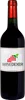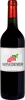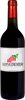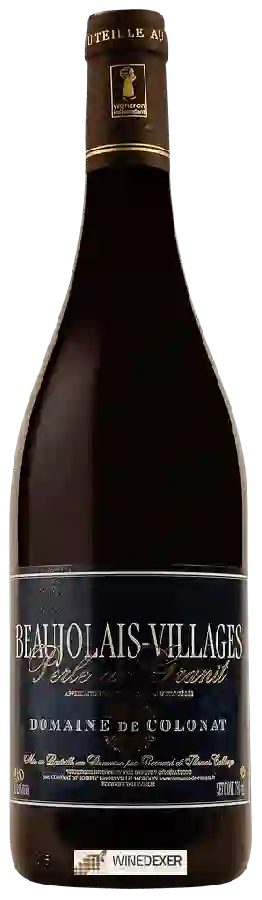
Domaine de ColonatPérle de Granit Beaujolais-Villages Rouge
 Red wine



In the mouth this red wine is a with a nice freshness.
This wine generally goes well with pork, poultry or veal.
Taste structure of the Pérle de Granit Beaujolais-Villages Rouge from the Domaine de Colonat
Light | Bold | |
Smooth | Tannic | |
Dry | Sweet | |
Soft | Acidic |
In the mouth the Pérle de Granit Beaujolais-Villages Rouge of Domaine de Colonat in the region of Beaujolais is a with a nice freshness.
Food and wine pairings with Pérle de Granit Beaujolais-Villages Rouge
Pairings that work perfectly with Pérle de Granit Beaujolais-Villages Rouge



Original food and wine pairings with Pérle de Granit Beaujolais-Villages Rouge

The Pérle de Granit Beaujolais-Villages Rouge of Domaine de Colonat matches generally quite well with dishes of pasta, veal or pork such as recipes of pasta with zucchini, veal paupiettes with cider or salted lentils.
Details and technical informations about Domaine de Colonat's Pérle de Granit Beaujolais-Villages Rouge.
Discover the grape variety: Carricante
It is most certainly of Italian origin, more precisely from Sicily where it is very present, especially on the slopes of the eastern and southern slopes of Mount Etna. It is thought to be the result of a natural cross between montonico pinto and scacco. It has often been confused with the catarratto even today. Carricante is identified today by two known biotypes, A and B, ... a variety almost unknown in France, but registered in the Official Catalogue of wine grape varieties, list A1.
Last vintages of this wine
The best vintages of Pérle de Granit Beaujolais-Villages Rouge from Domaine de Colonat are 2012, 2016
Informations about the Domaine de Colonat
The Domaine de Colonat is one of of the world's greatest estates. It offers 21 wines for sale in the of Beaujolais-Villages to come and discover on site or to buy online.

The wine region of Beaujolais-Villages
Beaujolais Villages is the appellation for red, white and rosé wines from an area of 38 villages in the northern Beaujolais. The hilly terrain and granitic soil are considered superior to the flatter land of southern Beaujolais. As a result, Beaujolais Villages wines are considered to be of higher quality than those of the simple Beaujolais appellation. These juicy, light wines are based largely on the Gamay Grape.
The wine region of Beaujolais
Beaujolais is an important wine region in eastern France, famous for its vibrant, Fruity red wines made from Gamay. It is located immediately South of Burgundy, of which it is sometimes considered a Part, although it is in the administrative region of Rhône. The extensive plantings of Gamay in this region make Beaujolais one of the few regions in the world that is so concentrated on a single Grape variety. Pinot Noir is used in small quantities in red and rosé wines, but in the name of regional identity, it is being phased out and will only be allowed until the 2015 harvest.
The word of the wine: Performance
Quantity of grapes harvested per hectare. In AOC, the average yield is limited on the proposal of the appellation syndicate, validated by the Inao. The use of high-performance plant material (especially clones) and better control of vine diseases have increased yields. This is not without consequences on the quality of the wines (dilution) and on the state of the market (too much wine). We must not over-simplify: low yields are not synonymous with quality, and it is often in years with generous harvests that we find the greatest vintages (1982 and 1986 in Bordeaux, 1996 in Champagne, 1990 and 2005 in Burgundy...).