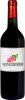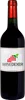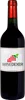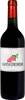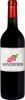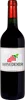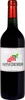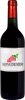
Winery CodereyDomaine de Crêt de Plan Ma Réserve
 Red wine


This wine generally goes well with

Details and technical informations about Winery Coderey's Domaine de Crêt de Plan Ma Réserve.
Discover the grape variety: Bertille Seyve 450
Simple, fresh dry whites with a pale golden colour, a supple palate with moderate acidity and understated aromas of citrus and white flowers. Productive rustic profile. Now marginal, it survives in a few heritage plots and is one of the old French hybrids preserved in varietal collections. French white hybrid variety obtained in the early 20th century by Bertille Seyve, in the lineage of phylloxera-resistant crossings.
Last vintages of this wine
The best vintages of Domaine de Crêt de Plan Ma Réserve from Winery Coderey are 2016
Informations about the Winery Coderey
The Winery Coderey is one of of the world's greatest estates. It offers 6 wines for sale in the of Lavaux to come and discover on site or to buy online.

The wine region of Lavaux
Iconic Vaud vineyard (Switzerland) on terraced slopes along Lake Geneva's north shore, UNESCO-listed in 2007. Chasselas reigns as signature white: fine and delicate with signature notes of white flowers, citrus, white apple, fresh almond and a chalky mineral touch, a taut and straight palate — Swiss soul, for aperitif or fondue. Fine Pinot Noir (cherry, undergrowth) and supple Gamay as minority reds. 8 AOCs including prestigious Dezaley and Saint-Saphorin.
The wine region of Vaud
World reference for Chasselas (~60% of the vineyard). Mineral, delicate whites with signature notes of green apple, citrus, white flowers, fresh almond and a saline touch, low acidity and a silky palate. Maximum expression in Lavaux (UNESCO 2007) on Lake Geneva terraces. Also La Côte, Chablais and the iconic Dézaley.
The word of the wine: Discharge
Action consisting of removing suspended particles (sludge) from the must.