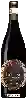
Winery Cà MontiniBarolo
 wine
wine
This wine generally goes well with
The Barolo of the Winery Cà Montini is in the top 0 of wines of Barolo.

Details and technical informations about Winery Cà Montini's Barolo.
Discover the grape variety: Phoenix
Aromatic, fresh dry whites with a pale golden robe, a supple palate and preserved acidity of delicate light muscat, white flowers (elderflower, acacia), citrus, apple, pear and floral notes. A thirst-quenching profile to drink young. A disease-resistant interspecific grape driving organic vineyards in Germany, Switzerland, Belgium, UK and the Netherlands. German hybrid created in 1964 at Geilweilerhof (bacchus × villard blanc).
Informations about the Winery Cà Montini
The Winery Cà Montini is one of of the world's great estates. It offers 34 wines for sale in the of Barolo to come and discover on site or to buy online.

The wine region of Barolo
"King of wines, wine of kings": exceptional Piedmont red, 100% Nebbiolo. Garnet robe evolving to brick, complex signature aromas of faded rose, sour cherry, tar, white truffle, leather, undergrowth and spice. Firm tannins and lively acidity structure a long ageing (15-30 years+). Minimum 38 months ageing including 18 in barrel (62 for Riserva).
The wine region of Piedmont
Kingdom of Nebbiolo: Barolo and Barbaresco DOCG, long-ageing reds with firm tannins and lively acidity, complex aromas of withered rose, sour cherry, tar, truffle and undergrowth. More accessible, tangy Barbera on red fruit, supple, crisp Dolcetto. Sweet, floral sparkling Moscato d'Asti, mineral, lemony Gavi (Cortese) white, round, almondy Arneis from Roero. 50,000 ha across the Langhe, Roero and Monferrato, UNESCO.
The word of the wine: Reassembly
During the vinification process, a "cap" is formed at the top of the vats with the solid parts (skin, pulp, pips, etc.), which contain tannins and colouring elements. Pumping over consists of emptying the vat from the bottom and pouring the juice back to the top, in order to mix the cap and the juice and to favour the exchange and the extraction. This old technique allows a better exchange between the solid parts and the liquid.