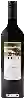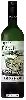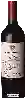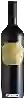
Winery Saint AuriolMontagne d'Alaric
 Red wine
This wine generally goes well with beef, veal or pasta.

Food and wine pairings with Montagne d'Alaric
Pairings that work perfectly with Montagne d'Alaric



Original food and wine pairings with Montagne d'Alaric
The Montagne d'Alaric of Winery Saint Auriol matches generally quite well with dishes of beef, pasta or veal such as recipes of chickpeas spanish style, pistou soup complete or stuffed cutlets.
Details and technical informations about Winery Saint Auriol's Montagne d'Alaric.
Discover the grape variety: Muskat bleu
Aromatic and fruity reds to drink young, with a deep ruby colour, moderate tannins and a light palate, offering signature muscat aromas, red fruits (strawberry, raspberry) and floral notes. An accessible profile for northern climates. Grown mainly in Switzerland, Germany and the UK in northern and amateur vineyards. Black hybrid variety obtained in Switzerland in 1932 by complex crossing, early-ripening and resistant.
Informations about the Winery Saint Auriol
The Winery Saint Auriol is one of of the world's great estates. It offers 36 wines for sale in the of Corbières to come and discover on site or to buy online.

The wine region of Corbières
Largest AOC in Languedoc, 95% Mediterranean reds. Signature old-vine Carignan (up to 60%): fleshy reds with black fruit, garrigue, black olive, spice and tight tannins. Blended with round, sunny Grenache, peppery Syrah, dense Mourvèdre and supple Cinsault. A few fresh rosés and whites (Grenache Blanc, Roussanne).
The wine region of Languedoc-Roussillon
Largest single French vineyard, dominated by sunny, generous reds. Spicy Syrah, candied Grenache (ripe fruit, garrigue), structured Carignan, deep Mourvèdre, supple Cinsault. Stars: structured Corbières, Minervois, Faugères, Saint-Chinian; round Côtes-du-Roussillon. Legendary vins doux naturels: Banyuls and Maury (fortified Grenache) with notes of cocoa, fig, prune.
The word of the wine: Bleeding
Old practice for red wines. As soon as the vat is filled with grapes, the tap is opened. A sweet but clear juice escapes from the vat (it can also be used to make rosé). The colour and density of the juice is enhanced, but it should not be overdone. Rarely more than 10% of the volume of a vat, otherwise you risk losing fruit and bringing in bitterness.