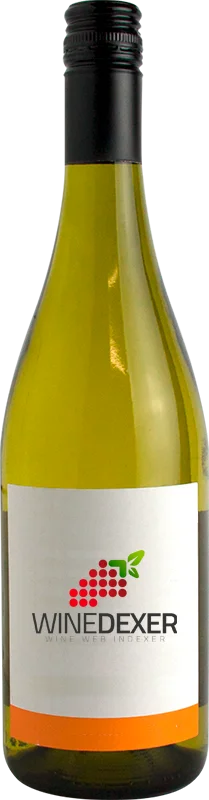
Winery Claude Saint MarcClos Fontaine Sauternes
 Sweet wine
This wine generally goes well with fruity desserts and blue cheese.
Food and wine pairings with Clos Fontaine Sauternes
Pairings that work perfectly with Clos Fontaine Sauternes

Original food and wine pairings with Clos Fontaine Sauternes
The Clos Fontaine Sauternes of Winery Claude Saint Marc matches generally quite well with dishes of fruity desserts or blue cheese such as recipes of rice with milk or filet mignon with roquefort and port wine.
Details and technical informations about Winery Claude Saint Marc's Clos Fontaine Sauternes.
Discover the grape variety: Gringet
Gringet is an ancient grape variety. It comes from the Arve valley, in Haute Savoie. It is very similar to Savagnin. This white grape variety has small bunches. Its berries are small, round and have a yellow-green skin that turns golden yellow when ripe. Generally, the gringet opens 10 days after the chasselas. Its production remains reasonable. Due to its drooping growth habit, it is recommended that this variety be trained and pruned short, as it is very sensitive to mildew and also fears erinosis and powdery mildew. It is one of those grape varieties that have an average second ripening period. It produces a wine that is light and lively at the same time, with some floral notes. It can also be used to make sparkling or semi-sparkling wines.
Informations about the Winery Claude Saint Marc
The Winery Claude Saint Marc is one of of the world's greatest estates. It offers 2 wines for sale in the of Sauternes to come and discover on site or to buy online.

The wine region of Sauternes
Sauternes, 65 km South of Bordeaux, is a Village renowned for its high quality Sweet wines. Although some wineries produce Dry wines, they sell them under other appellations than Sauternes, which is specific to sweet wines. The village is surrounded on all sides by vineyards, the best of which produce some of the most prestigious, long-lasting and expensive dessert wines in the world. A half bottle of premium, aged Sauternes from a good Vintage can sell for over $1,000.
The wine region of Bordeaux
Bordeaux, in southwestern France, is one of the most famous, prestigious and prolific wine regions in the world. The majority of Bordeaux wines (nearly 90% of the production Volume) are the Dry, medium and Full-bodied red Bordeaux blends for which it is famous. The finest (and most expensive) are the wines of the great châteaux of Haut-Médoc and the right bank appellations of Saint-Émilion and Pomerol. The former focuses (at the highest level) on Cabernet Sauvignon, the latter on Merlot.
The word of the wine: Empyreumatic
Families of smells and aromas related to smoke, burnt, and more generally to roasting.