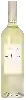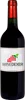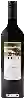
Château AurisLes Terrasses de Béa
 Red wine
In the mouth this red wine is a powerful with a nice balance between acidity and tannins.
This wine generally goes well with beef, veal or pasta.

Taste structure of the Les Terrasses de Béa from the Château Auris
Light | Bold | |
Smooth | Tannic | |
Dry | Sweet | |
Soft | Acidic |
In the mouth the Les Terrasses de Béa of Château Auris in the region of Languedoc-Roussillon is a powerful with a nice balance between acidity and tannins.
Food and wine pairings with Les Terrasses de Béa
Pairings that work perfectly with Les Terrasses de Béa



Original food and wine pairings with Les Terrasses de Béa
The Les Terrasses de Béa of Château Auris matches generally quite well with dishes of beef, pasta or veal such as recipes of kamounia : tunisian beef stew, lasagne bolognaise (mascarpone) or lamb confit with new potatoes.
Details and technical informations about Château Auris's Les Terrasses de Béa.
Discover the grape variety: Cabernet blanc
Aromatic, tense whites with a lean palate and firm acidity. Intense aromas of elderflower, passion fruit, mango, gooseberry, citrus and herbaceous boxwood notes reminiscent of Sauvignon Blanc. Mildew- and powdery-mildew-resistant interspecific variety, driving organic viticulture in Germany, Switzerland, Belgium, the Netherlands and Luxembourg. Swiss hybrid created in 1991 by Valentin Blattner.
Informations about the Château Auris
The Château Auris is one of of the world's greatest estates. It offers 13 wines for sale in the of Corbières to come and discover on site or to buy online.

The wine region of Corbières
Largest AOC in Languedoc, 95% Mediterranean reds. Signature old-vine Carignan (up to 60%): fleshy reds with black fruit, garrigue, black olive, spice and tight tannins. Blended with round, sunny Grenache, peppery Syrah, dense Mourvèdre and supple Cinsault. A few fresh rosés and whites (Grenache Blanc, Roussanne).
The wine region of Languedoc-Roussillon
Largest single French vineyard, dominated by sunny, generous reds. Spicy Syrah, candied Grenache (ripe fruit, garrigue), structured Carignan, deep Mourvèdre, supple Cinsault. Stars: structured Corbières, Minervois, Faugères, Saint-Chinian; round Côtes-du-Roussillon. Legendary vins doux naturels: Banyuls and Maury (fortified Grenache) with notes of cocoa, fig, prune.
The word of the wine: Powdery mildew
Disease of the vine due to a fungus. Less dreadful than mildew, it only attacks the surface of the green parts. Sulphur has long been the best remedy.