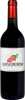
Château Vignal la BrieBergerac Rouge
 Red wine


This wine generally goes well with

Details and technical informations about Château Vignal la Brie's Bergerac Rouge.
Discover the grape variety: Muscardin
Light, fresh reds with a clear ruby hue, rounded tannins and an elegant palate, with delicate aromas of red fruits (raspberry, cherry), soft spices, garrigue herbs and floral notes. Airy profile adding freshness to warm Rhône blends. Traditional component of Châteauneuf-du-Pape AOC (one of 13 authorised varieties) and Côtes du Rhône AOC. Rare native French variety from the southern Rhône Valley, a witness to Rhodanian heritage.
Last vintages of this wine
The best vintages of Bergerac Rouge from Château Vignal la Brie are 2016
Informations about the Château Vignal la Brie
The Château Vignal la Brie is one of of the world's greatest estates. It offers 10 wines for sale in the of Bergerac to come and discover on site or to buy online.

The wine region of Bergerac
Affordable cousin of Bordeaux on the Dordogne: signature Merlot-based reds (~65%) — round and fruity with notes of plum, black cherry, blackberry, sweet spices and a tobacco touch, supple tannins, to drink young. Cabernet Sauvignon, Cabernet Franc and Malbec as support. Fresh rosés (~20%). Signature dry and sweet whites (~15%) from Sémillon, Sauvignon and Muscadelle with notes of citrus, boxwood, flowers and honey for the sweet ones.
The wine region of South West
French mosaic of strong identities south of Bordeaux. Cahors and its Malbec ("black wine"): deep reds with notes of blackberry, plum, violet, tobacco and cocoa, firm tannins. Madiran and its dense, age-worthy Tannat. Jurançon whites: golden sweet (apricot, honey, pineapple) and lively dry from Petit Manseng.
The word of the wine: Yeast
Micro-organisms at the base of all fermentative processes. A wide variety of yeasts live and thrive naturally in the vineyard, provided that treatments do not destroy them. Unfortunately, their replacement by laboratory-selected yeasts is often the order of the day and contributes to the standardization of the wine. Yeasts are indeed involved in the development of certain aromas.