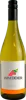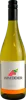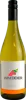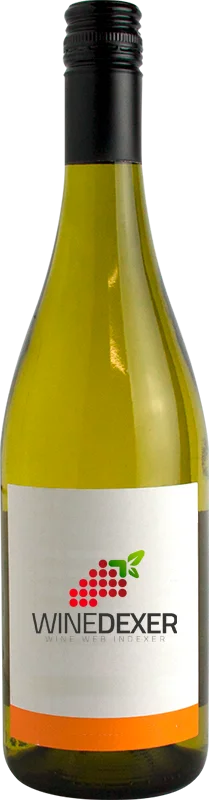
Château TamagneSelect Orange Citron Magaracha
 White wine
of Таманский полуостров of Кубань of Russia
White wine
of Таманский полуостров of Кубань of Russia


This wine generally goes well with

Details and technical informations about Château Tamagne's Select Orange Citron Magaracha.
Discover the grape variety: Petit Rouge
Supple and fruity reds with a clear to intense ruby robe, smooth tannins and a charming palate, with signature aromas of red fruits (cherry, raspberry), spices, violet and fresh alpine notes. An airy mountain profile to drink young or with short cellaring. An essential component of the Valle d'Aosta Torrette DOC appellation and Valdostan reds, it defines the viticultural identity of the north-western Italian Alps. Native Italian black grape from the Aosta Valley.
Last vintages of this wine
The best vintages of Select Orange Citron Magaracha from Château Tamagne are 2019, 0
Informations about the Château Tamagne
The Château Tamagne is one of of the world's great estates. It offers 129 wines for sale in the of Таманский полуостров to come and discover on site or to buy online.

The wine region of Таманский полуостров
Taman Peninsula between the Black Sea and the Sea of Azov, Russia's wine heartland facing Crimea, at the latitude of Bordeaux. Dense, sun-drenched reds with notes of black cherry, plum, sweet spice and tobacco (firm Cabernet Sauvignon, intense deeply coloured Georgian Saperavi), round tannins. Ample Chardonnay and lively citrusy Rkatsiteli whites. Soviet-inherited sparkling tradition ("Shampanskoye").
The wine region of Кубань
Russia's leading wine region (Krasnodar Krai) between the Black Sea and Sea of Azov, ~50% of Russian wine. Mediterranean to sub-tropical climate. Firm signature Cabernet Sauvignon with signature notes of cassis, blackberry, cedar and a spicy touch, structured tannins. Round Merlot (plum, cherry), dense Saperavi (black cherry, ink), native Krasnostop (blackberry, pepper).
The word of the wine: Alcohol content
The alcohol content of wine expressed as a percentage of the volume of alcohol contained in the wine.