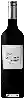
Château La ForêtLes Hauts de Sainte Innocence Bergerac
 Red wine



This wine generally goes well with
The Les Hauts de Sainte Innocence Bergerac of the Château La Forêt is in the top 30 of wines of Bergerac.

Wine flavors and olphactive analysis

On the nose the Les Hauts de Sainte Innocence Bergerac of Château La Forêt in the region of South West often reveals types of flavors of oaky, oak.
Details and technical informations about Château La Forêt's Les Hauts de Sainte Innocence Bergerac.
Discover the grape variety: Brun argenté
Light, fruity reds with a clear ruby robe, smooth tannins and a supple palate, with simple aromas of red fruits (cherry, raspberry), soft spices and Mediterranean notes. Productive, accessible profile, best drunk young. Now marginal, preserved on a few heritage plots in Provence and occasionally contributing to southern red blends. French autochthonous variety from south-east Provence, a witness to ancient Provençal grape varieties.
Last vintages of this wine
The best vintages of Les Hauts de Sainte Innocence Bergerac from Château La Forêt are 2015, 2012, 2017, 2018 and 2016.
Informations about the Château La Forêt
The Château La Forêt is one of of the world's greatest estates. It offers 18 wines for sale in the of Bergerac to come and discover on site or to buy online.

The wine region of Bergerac
Affordable cousin of Bordeaux on the Dordogne: signature Merlot-based reds (~65%) — round and fruity with notes of plum, black cherry, blackberry, sweet spices and a tobacco touch, supple tannins, to drink young. Cabernet Sauvignon, Cabernet Franc and Malbec as support. Fresh rosés (~20%). Signature dry and sweet whites (~15%) from Sémillon, Sauvignon and Muscadelle with notes of citrus, boxwood, flowers and honey for the sweet ones.
The wine region of South West
French mosaic of strong identities south of Bordeaux. Cahors and its Malbec ("black wine"): deep reds with notes of blackberry, plum, violet, tobacco and cocoa, firm tannins. Madiran and its dense, age-worthy Tannat. Jurançon whites: golden sweet (apricot, honey, pineapple) and lively dry from Petit Manseng.
The word of the wine: Côte des Bar
This is the name given to the vineyards of the Aube, which are closer to Burgundy, and some of the wines produced here bear witness to this proximity. The pinot noir dominates, the meunier is practically absent. Two crus have become references: Riceys, where a rosé without bubbles is also produced, and Montgueux near Troyes, renowned for its Chardonnay.