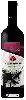
Château GurjaaniКиндзмараули Оригинал (Kindzmarauli Original)
 Red wine



This wine generally goes well with

Details and technical informations about Château Gurjaani's Киндзмараули Оригинал (Kindzmarauli Original).
Discover the grape variety: Saperavi
Deeply coloured, powerful reds with inky robe (teinturier grape with red flesh) and tight tannins, with intense aromas of blackberry, blackcurrant, black plum, spices, leather and balsamic notes. High acidity and fine ageing potential. Often made by the ancestral qvevri method (buried clay jar), it signs the great Georgian reds of Kakheti (Mukuzani, Kvareli, Napareuli). Also in Russia, Ukraine and Australia. Ancient Georgian variety.
Last vintages of this wine
The best vintages of Киндзмараули Оригинал (Kindzmarauli Original) from Château Gurjaani are 0
Informations about the Château Gurjaani
The Château Gurjaani is one of of the world's greatest estates. It offers 9 wines for sale in the of Kindzmarauli to come and discover on site or to buy online.

The wine region of Kindzmarauli
PDO of Kakheti in eastern Georgia, in the foothills of the Greater Caucasus. Saperavi as sole grape (native teinturier), naturally semi-sweet signature style with signature notes of ripe black cherry, candied blackberry, plum, dark chocolate, black-fruit jam and a spicy touch, robe almost black, velvety, rich palate at 3-5% sugars balanced by 5-7 g/L acidity — historic favourite. Poor, stony soils bring tension. Generous red.
The wine region of Kakheti
Cradle of amber and orange wines, vinified in qvevri (buried clay jars, UNESCO). Skin-macerated Rkatsiteli whites: signature notes of dried apricot, walnut, honey, orange peel and black tea, fine tannins and controlled oxidation. Deep, tinctorial Saperavi reds with black fruit, plum, spice and firm tannins, age-worthy. Also Mtsvane and Kisi in white, fresh and floral.
The word of the wine: Second fermentation
In the making of champagne, fermentation of the base wine to which is added the liqueur de tirage and which takes place in the bottle. This second fermentation produces the carbon dioxide, and therefore the bubbles that make up the effervescence of the wine.