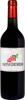
Château GueryL'Esprit d'Éloi
 Red wine



In the mouth this red wine is a powerful with a nice balance between acidity and tannins.
This wine generally goes well with beef, veal or pasta.

Taste structure of the L'Esprit d'Éloi from the Château Guery
Light | Bold | |
Smooth | Tannic | |
Dry | Sweet | |
Soft | Acidic |
In the mouth the L'Esprit d'Éloi of Château Guery in the region of Pays d'Oc is a powerful with a nice balance between acidity and tannins.
Food and wine pairings with L'Esprit d'Éloi
Pairings that work perfectly with L'Esprit d'Éloi



Original food and wine pairings with L'Esprit d'Éloi
The L'Esprit d'Éloi of Château Guery matches generally quite well with dishes of beef, pasta or veal such as recipes of beef and spice stuffed peppers, chinese bowl or milanese cutlets like in italy.
Details and technical informations about Château Guery's L'Esprit d'Éloi.
Discover the grape variety: Petit Verdot
Dark, full-bodied reds with tight tannins and inky colour, showing aromas of blackberry, violet, gentle spice, liquorice and mentholated balsamic notes. Contributes colour, structure and aromatic freshness to great Médoc blends (Palmer, Léoville-Las Cases) where it remains a minority. Also vinified as a single variety in Spain (La Mancha), California, Australia and Argentina. A late-ripening Bordeaux variety.
Last vintages of this wine
The best vintages of L'Esprit d'Éloi from Château Guery are 2016
Informations about the Château Guery
The Château Guery is one of of the world's greatest estates. It offers 16 wines for sale in the of Pays d'Oc to come and discover on site or to buy online.

The wine region of Pays d'Oc
The single-grape IGP par excellence: modern, accessible, frank and fruity wines, the popular signature of the Midi. Spicy Syrah reds (pepper, blackberry), round Merlot, structured Cabernet, generous Grenache, supple Cinsault. Crisp, tangy rosés. Opulent Chardonnay whites, lively Sauvignon, floral, apricoty Viognier.
The word of the wine: Tanin
A natural compound contained in the skin of the grape, the seed or the woody part of the bunch, the stalk. The maceration of red wines allows the extraction of tannins, which give the texture, the solidity and also the mellowness when the tannins are "ripe". The winemaker seeks above all to extract the tannins from the skin, the ripest and most noble. The tannins of the seed or stalk, which are "greener", especially in average years, give the wine hardness and astringency. The wines of Bordeaux (based on Cabernet and Merlot) are full of tannins, those of Burgundy much less so, with Pinot Noir containing little.