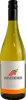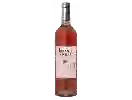
Château de ValcombeFolie Douce Moelleux
 Sweet wine


This wine generally goes well with
Details and technical informations about Château de Valcombe's Folie Douce Moelleux.
Discover the grape variety: Freisa
Most certainly from the Italian Piedmont. It is also found in Argentina. We have noted that this variety has a great resemblance with the nebbiolo, also from the Italian Piedmont. According to genetic analyses published in Switzerland, Freisa is a descendant of Viognier and a half-sister of Rèze.
Last vintages of this wine

The best vintages of Folie Douce Moelleux from Château de Valcombe are 2014, 2013, 2015
Informations about the Château de Valcombe
The Château de Valcombe is one of of the world's greatest estates. It offers 43 wines for sale in the of Costières-de-Nîmes to come and discover on site or to buy online.

The wine region of Costières-de-Nîmes
The wine region of Costières-de-Nîmes is located in the region of Rhône méridional of Rhone Valley of France. Wineries and vineyards like the Domaine Scamandre or the Château d'Or et de Gueules produce mainly wines red, pink and white. The most planted grape varieties in the region of Costières-de-Nîmes are Mourvèdre, Roussanne and Viognier, they are then used in wines in blends or as a single variety. On the nose of Costières-de-Nîmes often reveals types of flavors of non oak, thyme or raisin and sometimes also flavors of clove, cocoa or coffee.
The wine region of Rhone Valley
The Rhone Valley is a key wine-producing region in Southeastern France. It follows the North-south course of the Rhône for nearly 240 km, from Lyon to the Rhône delta (Bouches-du-Rhône), near the Mediterranean coast. The Length of the valley means that Rhône wines are the product of a wide variety of soil types and mesoclimates. The viticultural areas of the region cover such a distance that there is a widely accepted division between its northern and southern parts.
The word of the wine: Flavours
There are generally four so-called fundamental flavours: acidity, bitterness, sweetness and saltiness. The first three are considered to be the building blocks of the structure of wines. They are perceived by the taste buds that cover the surface of the tongue.