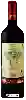
Château BerthenonBordeaux Supérieur Blanc Moelleux
 Sweet wine



This wine generally goes well with

Details and technical informations about Château Berthenon's Bordeaux Supérieur Blanc Moelleux.
Discover the grape variety: Grechetto
Structured and aromatic dry whites with a pale golden colour, broad palate and moderate acidity, with signature aromas of almond (hallmark), yellow fruit (pear, peach, apricot), white flowers (acacia) and mineral notes. Fine potential in both dry and sweet passito styles. Star of Orvieto DOC and the aromatic signature of Umbria, also present in Torgiano and Todi (Grechetto di Todi). An indigenous Italian white variety from Umbria.
Last vintages of this wine
The best vintages of Bordeaux Supérieur Blanc Moelleux from Château Berthenon are 2012
Informations about the Château Berthenon
The Château Berthenon is one of of the world's greatest estates. It offers 18 wines for sale in the of Bordeaux Supérieur to come and discover on site or to buy online.

The wine region of Bordeaux Supérieur
Quality expression of generic Bordeaux: more concentrated, structured reds suited to 3-7 years' ageing, dominated by round Merlot (plum, black fruits), with firm Cabernet Sauvignon (blackcurrant, cedar), Cabernet Franc and Petit Verdot for the tannic frame. Stricter rules: higher planting density, limited yields, higher alcohol, longer ageing (often 12 months). Across the whole Gironde. Affordable yet serious Bordeaux, perfect at the table.
The wine region of Bordeaux
World-renowned age-worthy reds, led by round Merlot (plum, black fruit) or firm Cabernet Sauvignon (blackcurrant, cedar, graphite), blended with Cabernet Franc and Petit Verdot for tannic structure. Structured Médoc and Graves, velvety Saint-Émilion and Pomerol. Also crisp dry whites (Sauvignon/Sémillon) and opulent sweet Sauternes with honey and candied fruit. A 110,000 ha Gironde vineyard, 65 appellations, cradle of the 1855 classified growths.
The word of the wine: Malolactic fermentation
Called second fermentation or malo for short. It is the degradation (under the effect of bacteria) of the malic acid naturally present in the wine into milder, less aggressive lactic acid. Some producers or wineries refuse this operation by "blocking the malo" (by cold and adding SO2) to keep a maximum of acidity which carries the aromas and accentuates the sensation of freshness.