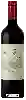
Château Beau Rivage de ByCuvée Quintescence Médoc
 wine
wine
This wine generally goes well with
The Cuvée Quintescence Médoc of the Château Beau Rivage de By is in the top 0 of wines of Médoc.

Details and technical informations about Château Beau Rivage de By's Cuvée Quintescence Médoc.
Discover the grape variety: Maratheftiko
Structured and intensely coloured age-worthy reds with a deep purple robe, firm tannins and an ample palate, signature aromas of black fruits (blackberry, blackcurrant), spices, Mediterranean garrigue and leather notes. Powerful altitude profile. Considered the finest red grape of Cyprus, experiencing a qualitative renaissance among modern Cypriot winemakers. Autochthonous black grape of Cyprus, grown at altitude in the Troodos Mountains.
Informations about the Château Beau Rivage de By
The Château Beau Rivage de By is one of of the world's greatest estates. It offers 2 wines for sale in the of Médoc to come and discover on site or to buy online.

The wine region of Médoc
Kingdom of Cabernet Sauvignon on siliceous gravel, left bank of the Gironde. Structured, age-worthy reds with signature notes of blackcurrant, blackberry, cedar, graphite, tobacco and minty hints, firm tannins. Blend: majority Cabernet Sauvignon, Merlot for velvet, Cabernet Franc for perfume, Petit Verdot and Malbec. To the south, Haut-Médoc and 1855 communal appellations (Pauillac, Margaux).
The wine region of Bordeaux
World-renowned age-worthy reds, led by round Merlot (plum, black fruit) or firm Cabernet Sauvignon (blackcurrant, cedar, graphite), blended with Cabernet Franc and Petit Verdot for tannic structure. Structured Médoc and Graves, velvety Saint-Émilion and Pomerol. Also crisp dry whites (Sauvignon/Sémillon) and opulent sweet Sauternes with honey and candied fruit. A 110,000 ha Gironde vineyard, 65 appellations, cradle of the 1855 classified growths.
The word of the wine: Yeast
Micro-organisms at the base of all fermentative processes. A wide variety of yeasts live and thrive naturally in the vineyard, provided that treatments do not destroy them. Unfortunately, their replacement by laboratory-selected yeasts is often the order of the day and contributes to the standardization of the wine. Yeasts are indeed involved in the development of certain aromas.