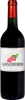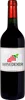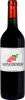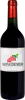
Winery Chanut FreresBrouilly
 Red wine
This wine generally goes well with pork, poultry or veal.
Food and wine pairings with Brouilly
Pairings that work perfectly with Brouilly



Original food and wine pairings with Brouilly

The Brouilly of Winery Chanut Freres matches generally quite well with dishes of pasta, veal or pork such as recipes of shrimp marinade, pljeskavica (balkan hamburger) or guinea fowl with cabbage.
Details and technical informations about Winery Chanut Freres's Brouilly.
Discover the grape variety: Courbu blanc
Native variety of the Pyrenean vineyard that does not correspond to the white form of the courbu noir. It should not be confused with the petit courbu, published genetic analysis has shown that it is related to one or more varieties including the lercat and for more details click here! Courbu blanc is registered in the official catalogue of wine grape varieties, list A1.
Informations about the Winery Chanut Freres
The Winery Chanut Freres is one of wineries to follow in Brouilly.. It offers 29 wines for sale in the of Brouilly to come and discover on site or to buy online.

The wine region of Brouilly
Brouilly is an appellation for red wines produced from Vineyards in north-central Beaujolais. The lower slopes of Mont Brouilly and the surrounding countryside contain large plantings of the Gamay Grape. The wines produced here are relatively robust and Full-bodied, in contrast to the light, fresh wines of Beaujolais Nouveau. The wines are fruitier than many of the other Beaujolais crus, with plum and berry flavors overpowering the traditional Floral">floralCharacter of Gamay.
The wine region of Beaujolais
Beaujolais is an important wine region in eastern France, famous for its vibrant, Fruity red wines made from Gamay. It is located immediately South of Burgundy, of which it is sometimes considered a Part, although it is in the administrative region of Rhône. The extensive plantings of Gamay in this region make Beaujolais one of the few regions in the world that is so concentrated on a single Grape variety. Pinot Noir is used in small quantities in red and rosé wines, but in the name of regional identity, it is being phased out and will only be allowed until the 2015 harvest.
The word of the wine: Reduction
A physiological and chemical phenomenon that occurs in wine in the absence of oxygen. The smell of reduction is characterized by animal and sometimes fetid notes that disappear in principle with aeration. It is recommended to decant reduced wines.