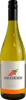
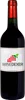
Winery ChaniaΡετσίνα Ένωσις (Retsina Enosis)
 Sweet wine



This wine generally goes well with

Details and technical informations about Winery Chania's Ρετσίνα Ένωσις (Retsina Enosis).
Discover the grape variety: Carignan
Intensely coloured and powerful reds with a deep colour, firm tannins and high acidity, on aromas of blackberry, blackcurrant, plum, garrigue, pepper, liquorice and balsamic notes. Old vines (>50 years, often centenary) yield exceptional cuvées. A historical pillar of Languedoc-Roussillon blends (Corbières, Minervois, Fitou, Maury) and star of Catalan Priorat under the name Cariñena. Very late-ripening variety from Aragon, also called Mazuelo in Rioja.
Last vintages of this wine
The best vintages of Ρετσίνα Ένωσις (Retsina Enosis) from Winery Chania are 0
Informations about the Winery Chania
The Winery Chania is one of of the world's greatest estates. It offers 5 wines for sale in the of Chania to come and discover on site or to buy online.

The wine region of Chania
Cretan sub-region in the west of the island around Chania, dominated by the Lefka Ori (White Mountains), the coolest zone of Crete, calcareous and schistous soils. Vidiano is the signature indigenous white: generous and aromatic with apricot, yellow peach, citrus, white flowers, honey and a mineral touch — the Cretan equivalent of Viognier. Lively, crunchy Vilana (citrus, herbs) as white. Versatile indigenous Romeiko, fruity spiced Kotsifali and Syrah as Mediterranean reds.
The wine region of Crete
Largest Greek island and 2nd national wine region, millennia-old Minoan heritage. Signature native Vidiano in whites, rediscovered jewel: ample, expressive with signature apricot, yellow peach, white flowers, honey, tropical fruit and a mineral touch, round and long palate. Also fresh lemony Vilana, rare Plyto and Thrapsathiri. Liatiko reds (most planted) supple with cherry, dried herbs and spice; fruity Kotsifali, tannic Mandilari.
The word of the wine: Friand
A light, easy-drinking wine with an immediate and fresh fruitiness.