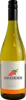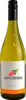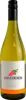
Winery CerattiGreco di Bianco White Label
 Sweet wine


This wine generally goes well with
The Greco di Bianco White Label of the Winery Ceratti is in the top 10 of wines of Greco di Bianco.
Wine flavors and olphactive analysis


On the nose the Greco di Bianco White Label of Winery Ceratti in the region of Calabria often reveals types of flavors of non oak, dried fruit.
Details and technical informations about Winery Ceratti's Greco di Bianco White Label.
Discover the grape variety: Béclan noir
Native variety of Franche Comté, formerly grown in Beaujolais. It is registered in the Official Catalogue of wine grape varieties, list A1.
Last vintages of this wine
The best vintages of Greco di Bianco White Label from Winery Ceratti are 2009, 2007, 0, 2012
Informations about the Winery Ceratti
The Winery Ceratti is one of of the world's greatest estates. It offers 6 wines for sale in the of Greco di Bianco to come and discover on site or to buy online.

The wine region of Greco di Bianco
The wine region of Greco di Bianco is located in the region of Calabre of Italy. Wineries and vineyards like the Domaine Ceratti or the Domaine Azienda Agricola Luca produce mainly wines sweet, white and red. On the nose of Greco di Bianco often reveals types of flavors of tree fruit, non oak or earth and sometimes also flavors of microbio, oak or citrus fruit. In the mouth of Greco di Bianco is a powerful.
The wine region of Calabria
Calabria is a wine region in southern Italy, in fact a large peninsula that juts out between the Ionian Sea and the Tyrrhenian Sea. It is separated from Sicily by the narrow Strait of Messina. Its northern border with Basilicata is marked by the peaks of the southern Apennines. Calabria and its wines have undergone many influences over the centuries.
The word of the wine: Shiraz
See syrah.