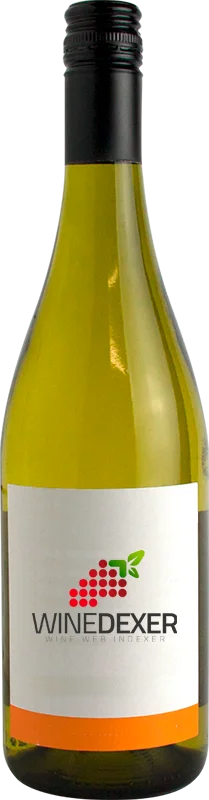
Winery Cepas del ZorroMacabeo Blanco
 White wine



This wine generally goes well with

Wine flavors and olphactive analysis

Details and technical informations about Winery Cepas del Zorro's Macabeo Blanco.
Discover the grape variety: Friulano
Rich and structured whites with excellent ageing potential, a deep golden hue, an ample palate with fresh acidity and signature aromas of bitter almond, white flowers (acacia), ripe yellow fruits (peach, pear) and mineral notes. Star of the Collio DOC and Colli Orientali del Friuli DOC appellations, a typical expression of the marly soils of Friuli. Emblematic white variety of Friuli, Italy, formerly called Tocai Friulano.
Last vintages of this wine
The best vintages of Macabeo Blanco from Winery Cepas del Zorro are 2017, 2016, 0
Informations about the Winery Cepas del Zorro
The Winery Cepas del Zorro is one of of the world's greatest estates. It offers 5 wines for sale in the of Bullas to come and discover on site or to buy online.

The wine region of Bullas
Spanish DO northwest of Murcia between Sierra de Espuña and Sierra del Carche, 500-1000 m altitude vineyards on calcareous soils, continental Mediterranean climate with cool nights. Monastrell red king (~90%, old ungrafted vines): more elegant and fresher altitude version than Jumilla — black cherry, blackberry, plum, scrubland herbs, pepper, firm tannins and brilliant fruit. Tempranillo, Syrah, Cabernet complementary. Macabeo and Airén in crisp whites.
The wine region of Murcie
Wine region of southeastern Spain on sunny high plateaus, 3 DOs fanning out: Jumilla, Yecla, Bullas. Monastrell (Mourvedre) reigns in red (~80% of the vineyard): dense and sunny with signature notes of black mulberry, candied black cherry, garrigue, leather, liquorice and a sweet spice touch, firm tannins and a warm palate — pomegranate robe, sustained alcohol, often own-rooted. Round Grenache, supple Tempranillo, peppery Syrah. Southern wines with outstanding value.
The word of the wine: Performance
Quantity of grapes harvested per hectare. In AOC, the average yield is limited on the proposal of the appellation syndicate, validated by the Inao. The use of high-performance plant material (especially clones) and better control of vine diseases have increased yields. This is not without consequences on the quality of the wines (dilution) and on the state of the market (too much wine). We must not over-simplify: low yields are not synonymous with quality, and it is often in years with generous harvests that we find the greatest vintages (1982 and 1986 in Bordeaux, 1996 in Champagne, 1990 and 2005 in Burgundy...).