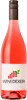
Winery Cellier de la Sainte BaumeRolle
 White wine


This wine generally goes well with

Details and technical informations about Winery Cellier de la Sainte Baume's Rolle.
Discover the grape variety: Rolle
Structured, aromatic whites with an ample mouth and fresh acidity, featuring aromas of citrus (grapefruit, lemon), pear, white flesh fruits, white flowers, fennel and typical marine saline notes. Slightly bitter finish on citrus peel. The absolute signature of great Provence whites (Côtes de Provence AOC, Bellet AOC), a pillar of Corsican whites (Patrimonio AOC, Ajaccio AOC) and present in Languedoc. The French name for Italian Vermentino, native Mediterranean grape.
Last vintages of this wine
The best vintages of Rolle from Winery Cellier de la Sainte Baume are 2017, 2018
Informations about the Winery Cellier de la Sainte Baume
The Winery Cellier de la Sainte Baume is one of of the world's greatest estates. It offers 26 wines for sale in the of Var to come and discover on site or to buy online.

The wine region of Var
Vast Provençal IGP in the hinterland of the Côte d'Azur: signature Grenache, Cinsault, Syrah and Tibouren as royal rosés — pale and fruity with notes of peach, citrus, strawberry, white flowers and a hint of spice, signature chiselled freshness, the regional flagship. Mourbèdre and Carignan in sun-drenched reds (cherry, garrigue). Vermentino, Ugni Blanc and Clairette in floral whites. IGP, sunny Mediterranean, limestone and schist soils, cleansing mistral.
The wine region of Méditerranée
Vast IGP of south-east France (Provence, Vaucluse, Var, Corsica, Ardèche), 75% rosés. Fresh, fruity rosés with signature notes of strawberry, raspberry, citrus, white flowers and a Mediterranean touch, taut and thirst-quenching on the palate — the quintessential sunny aperitif. Supple reds blending Grenache, Syrah, Cabernet and Merlot (red fruits, garrigue, spice), full whites of Viognier (apricot, flowers) and Chardonnay. Generous everyday wines, expression of the south.
The word of the wine: Vinification of sweet wines
Moelleux and liquoreux wines are characterized by the presence of residual sugars (natural sugar of the grape), not transformed into alcohol under the effect of yeasts. The fermentation is stopped by cold and by the addition of sulphur dioxide (sulphur).