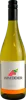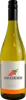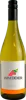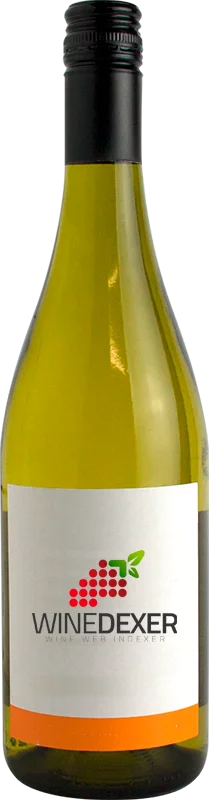
Winery CelegaMalvazija Buje
 White wine



This wine generally goes well with

Details and technical informations about Winery Celega's Malvazija Buje.
Discover the grape variety: Garnacha Tinta
Supple, sunny reds with a light to intense ruby robe, smooth tannins and a charming, full palate, with signature aromas of ripe red fruits (cherry, raspberry, strawberry), Mediterranean garrigue, spices and peppery notes. Also made as fresh rosés and naturally sweet wines. Star of Priorat DOQ, a component of Rioja DOCa and Navarra DO. The Spanish synonym of Grenache Noir, a Mediterranean variety originally from Aragon.
Last vintages of this wine
The best vintages of Malvazija Buje from Winery Celega are 0
Informations about the Winery Celega
The Winery Celega is one of of the world's greatest estates. It offers 2 wines for sale in the of Istra to come and discover on site or to buy online.

The wine region of Istra
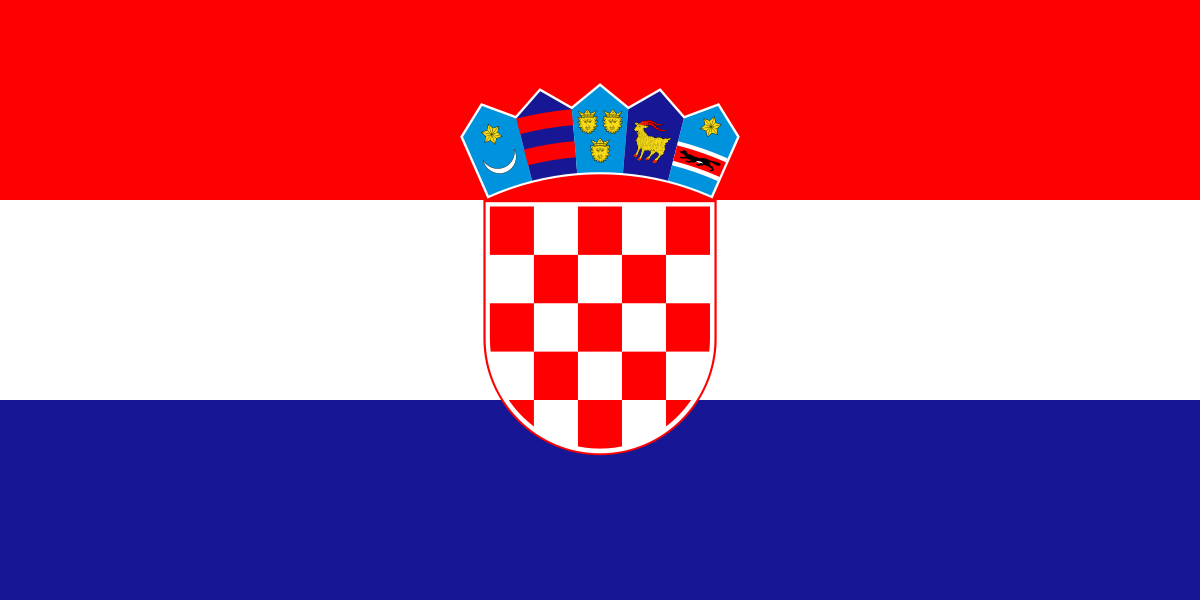
Istrian peninsula on the Adriatic, Croatia's smallest wine region but one of its most renowned. Signature Malvazija Istarska (50-70%): expressive, lively whites with notes of acacia, green apple, citrus, fresh almond and marked saline minerality - a perfect match with seafood. Native Teran in tannic, tangy red (blackberry, blood, earth), a unique profile. Also dense Refošk, round Merlot.
The word of the wine: Eye
In tasting, this is the first phase of the analysis of the wine, which consists of describing its visual aspect (colour, intensity, clarity, brilliance and possible defects).