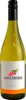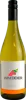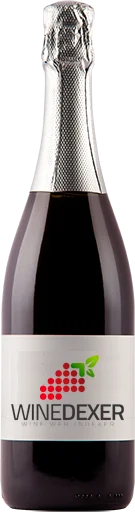
Caves Dom CaioLamecus Bruto
 Sparkling wine


This wine generally goes well with

Details and technical informations about Caves Dom Caio's Lamecus Bruto.
Discover the grape variety: Dolcetto
Supple, fruity reds best drunk young, with a sustained ruby robe and violet hues, melted tannins and an airy palate with low acidity, showing signature aromas of blackberry, plum, black cherry, almond and floral notes. Star of Dogliani DOCG and Dolcetto d'Alba DOC in Piedmont, perfect with cured meats and Piedmontese pasta. Emblematic native Piedmontese black grape whose name evokes the sweetness of ripe fruit.
Last vintages of this wine
The best vintages of Lamecus Bruto from Caves Dom Caio are 0
Informations about the Caves Dom Caio
The Caves Dom Caio is one of of the world's greatest estates. It offers 7 wines for sale in the of Douro to come and discover on site or to buy online.

The wine region of Douro
Cradle of Port: opulent fortified wine with notes of candied black fruit, cocoa, fig, walnut and spice, from young fruity Ruby to oxidative amber Tawny, plus age-worthy LBV and Vintage of exceptional cellaring. Also great dry Douro DOC reds, structured and deep (violet, black-fruited Touriga Nacional, elegant Touriga Franca, spicy Tinta Roriz). A few fresh Douro whites. Terraced vineyards (~40,000 ha) UNESCO on schist.
The wine region of Duriense
Portuguese IGP covering the Douro and Porto area (northeast), schist soils on vertiginous terraced slopes, dry continental climate, flexible status outside DOC. Touriga Nacional signature as red king (300+ authorised varieties): intense and floral with blackberry, black cherry, violet, garrigue, liquorice and mineral schist hint, firm tannins — noble Douro emblem. Supple Touriga Franca and spicy Tinta Roriz as complement. Fresh mineral whites and creative modern sparkling.
The word of the wine: Presses
The juice that results from pressing the grapes after fermentation. At the end of the maceration, the vats are emptied, the first juice obtained is called the free-run wine and the marc remaining at the bottom of the vat is then pressed to give the press wine. We say more quickly "the presses". Their quality varies according to the vintage and the maceration. A too vigorous extraction releases the tannins of pips and the wine of press can then prove to be very astringent. Often the winemaker raises it separately, deciding later whether or not to incorporate it totally or partially into the grand vin.