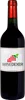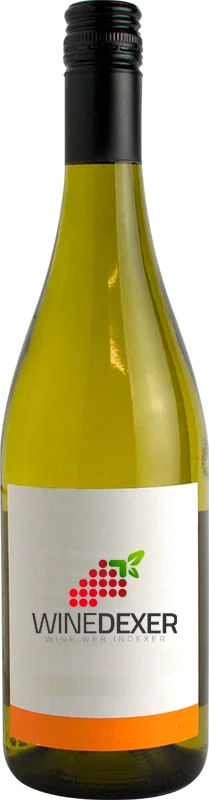
CavelliMati’
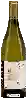
 White wine
In the mouth this white wine is a powerful.
This wine generally goes well with lean fish, shellfish or mature and hard cheese.

Taste structure of the Mati’ from the Cavelli
Light | Bold | |
Dry | Sweet | |
Soft | Acidic |
In the mouth the Mati’ of Cavelli in the region of Piedmont is a powerful.
Food and wine pairings with Mati’
Pairings that work perfectly with Mati’



Original food and wine pairings with Mati’


The Mati’ of Cavelli matches generally quite well with dishes of pasta, shellfish or mature and hard cheese such as recipes of macaroni and cheese gratin, shrimp, coconut and ginger soup or chicken gaston gérard style.
Discover the grape variety: Panse précoce
Table grape with long bunches and thin-skinned golden berries with juicy flesh, a sweet and fresh flavour. Very early-ripening, mainly intended for fresh consumption at the start of the season. Grown in the Mediterranean for fresh consumption, appreciated for its early maturity and attractive table appearance, marking the first summer market stalls. French white table grape, an early-ripening mutation of the Panse.
Informations about the Cavelli
The Cavelli is one of of the world's greatest estates. It offers 16 wines for sale in the of Piedmont to come and discover on site or to buy online.

The wine region of Piedmont
Kingdom of Nebbiolo: Barolo and Barbaresco DOCG, long-ageing reds with firm tannins and lively acidity, complex aromas of withered rose, sour cherry, tar, truffle and undergrowth. More accessible, tangy Barbera on red fruit, supple, crisp Dolcetto. Sweet, floral sparkling Moscato d'Asti, mineral, lemony Gavi (Cortese) white, round, almondy Arneis from Roero. 50,000 ha across the Langhe, Roero and Monferrato, UNESCO.
The word of the wine: Oenologist
Specialist in wine-making techniques. It is a profession and not a passion: one can be an oenophile without being an oenologist (and the opposite too!). Formerly attached to the Faculty of Pharmacy, oenology studies have become independent and have their own university course. Learning to make wine requires a good chemical background but also, increasingly, a good knowledge of the plant. Some oenologists work in laboratories (analysis). Others, the consulting oenologists, work directly in the properties.