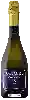
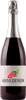
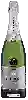
Cave GeissePeppo Extra Brut
 Sparkling wine



In the mouth this sparkling wine is a with a nice freshness.
This wine generally goes well with pork, rich fish (salmon, tuna etc) or shellfish.

Taste structure of the Peppo Extra Brut from the Cave Geisse
Light | Bold | |
Soft | Acidic | |
Gentle | Fizzy |
In the mouth the Peppo Extra Brut of Cave Geisse in the region of Rio Grande do Sul is a with a nice freshness.
Food and wine pairings with Peppo Extra Brut
Pairings that work perfectly with Peppo Extra Brut



Original food and wine pairings with Peppo Extra Brut
The Peppo Extra Brut of Cave Geisse matches generally quite well with dishes of pork, rich fish (salmon, tuna etc) or shellfish such as recipes of currywurst, cod "bacalhau a gomes de sa or linguine with squid ink and cockles.
Details and technical informations about Cave Geisse's Peppo Extra Brut.
Discover the grape variety: Soreli
Aromatic, structured whites with a pale golden robe, an ample palate with preserved acidity, and signature aromas of white stone fruits (apple, pear), white flowers and mineral notes reminiscent of Friulano. Productive and disease-resistant. Grown in northern Italy for organic and sustainably managed vineyards. Italian white hybrid obtained in 2006 at the University of Udine, a disease-resistant cross involving Tocai Friulano.
Informations about the Cave Geisse
The Cave Geisse is one of of the world's great estates. It offers 20 wines for sale in the of Serra Gaúcha to come and discover on site or to buy online.

The wine region of Serra Gaúcha
Brazil's wine capital, Rio Grande do Sul. Specialty: high-quality traditional-method sparklers, fine and fruity (apple, citrus, white flowers), elegant bubble, alpine expression of the south. Still wines mostly European: round fruity Merlot, firm Cabernet Sauvignon, more tannic Tannat, fresh Chardonnay, supple Riesling Italico, fine Pinot Noir. Marked by Italian immigration in 1875, humid climate tempered by altitude.
The wine region of Rio Grande do Sul
Brazil's winemaking heart (~80% of production), Italian tradition. Recognised specialty: traditional-method sparkling wines (espumantes), fresh and fruity, based on Chardonnay and Pinot Noir, among South America's finest. Accessible reds: supple, fruity Merlot (plum, cherry), fleshy Cabernet Sauvignon, dense, tannic Tannat. Round Chardonnay, light Riesling Italico, sweet, floral Moscato whites.
The word of the wine: Second wine
In the Bordeaux vineyard, the second wine is a lesser-aged wine made from the youngest vines, while the main wine of the château is called the "grand vin".