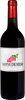
Cave Du FortGamay Rosé
 wine
wine
This wine generally goes well with
The Gamay Rosé of the Cave Du Fort is in the top 0 of wines of La Côte.

Details and technical informations about Cave Du Fort's Gamay Rosé.
Discover the grape variety: Trnjak
Structured, intensely coloured reds with a deep purple robe, firm tannins and a dense palate with preserved acidity. Signature aromas of black fruits (blackberry, blackcurrant), plum, spices, Mediterranean garrigue and balsamic notes. Fine ageing potential. Star of great Herzegovinian reds, defining the wine identity of southern Bosnia and the Dalmatian coast around Mostar. Native Croatian and Bosnian black grape, autochthonous to Herzegovina.
Informations about the Cave Du Fort
The Cave Du Fort is one of of the world's greatest estates. It offers 6 wines for sale in the of La Côte to come and discover on site or to buy online.

The wine region of La Côte
Largest Vaud wine appellation (52% of the canton), 2,007 ha arcing around Lake Geneva between Geneva and Lausanne. Signature Chasselas (90% of the traditional vineyard): lively, fruity whites with signature notes of white flowers, citrus, fresh almond and gunflint, taut, mineral palate — the Swiss aperitif wine par excellence. Also fine silky Pinot Noir, fruity Gamay in red. 14 AOC villages including Fechy, Mont-sur-Rolle, Luins.
The wine region of Vaud
World reference for Chasselas (~60% of the vineyard). Mineral, delicate whites with signature notes of green apple, citrus, white flowers, fresh almond and a saline touch, low acidity and a silky palate. Maximum expression in Lavaux (UNESCO 2007) on Lake Geneva terraces. Also La Côte, Chablais and the iconic Dézaley.
The word of the wine: Village
Term used in certain regions to identify a particular sector within a larger appellation (Beaujolais, Côtes-du-Rhône).