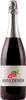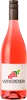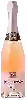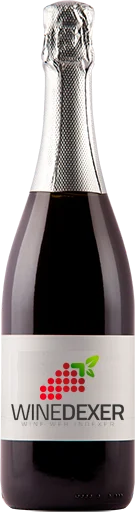
Cave des Grands Crus BlancsCrémant de Bourgogne Brut Rosé
 Sparkling wine
In the mouth this sparkling wine is a powerful with a nice vivacity and a fine and pleasant bubble.
This wine generally goes well with poultry, appetizers and snacks or lean fish.

Taste structure of the Crémant de Bourgogne Brut Rosé from the Cave des Grands Crus Blancs
Light | Bold | |
Soft | Acidic | |
Gentle | Fizzy |
In the mouth the Crémant de Bourgogne Brut Rosé of Cave des Grands Crus Blancs in the region of Burgundy is a powerful with a nice vivacity and a fine and pleasant bubble.
Food and wine pairings with Crémant de Bourgogne Brut Rosé
Pairings that work perfectly with Crémant de Bourgogne Brut Rosé



Original food and wine pairings with Crémant de Bourgogne Brut Rosé


The Crémant de Bourgogne Brut Rosé of Cave des Grands Crus Blancs matches generally quite well with dishes of shellfish, poultry or appetizers and snacks such as recipes of marinated mussels with parsley, roast chicken and potatoes or fresh vegetable dips and their sauces for the aperitif.
Details and technical informations about Cave des Grands Crus Blancs's Crémant de Bourgogne Brut Rosé.
Discover the grape variety: Gamay noir
Light, juicy reds, low in tannins with crunchy freshness, showing aromas of wild strawberry, raspberry, banana (from carbonic maceration) and peony. Easy-drinking style of Beaujolais Nouveau, more structured and mineral on the granites of the ten crus (Morgon, Moulin-à-Vent, Fleurie, Brouilly). Also in Touraine, Auvergne and Swiss Romande. A Burgundian variety, a cross of Pinot Noir × Gouais Blanc.
Informations about the Cave des Grands Crus Blancs
The Cave des Grands Crus Blancs is one of of the world's great estates. It offers 45 wines for sale in the of Crémant de Bourgogne to come and discover on site or to buy online.

The wine region of Crémant de Bourgogne
Traditional-method sparkling, a direct alternative to Champagne. Fine, persistent bubbles, fresh nose of green apple, lemon, white flowers, brioche and almond, taut and elegant palate (9 months minimum on lees, often 12-24). Based on Chardonnay (freshness and finesse) and Pinot Noir (roundness and red fruits), sometimes Aligoté, Gamay and Melon. Blanc de Blancs, Blanc de Noirs and fleshy rosé versions (strawberry, raspberry).
The wine region of Burgundy
Absolute reference for great terroir wines: opulent, mineral Chardonnay in whites (chiselled Chablis, buttery Meursault, majestic Montrachet), fine and silky Pinot Noir in reds (full-bodied Gevrey, structured Pommard, delicate Volnay). Exceptional age-worthy wines with complex notes - red fruits, undergrowth, butter, hazelnut. Some lively Aligoté and light Gamay (Mâconnais). 29,500 ha, 84 tiered AOCs (Régionale, Village, 1er Cru, Grand Cru), 1,247 UNESCO Climats.
The word of the wine: Tanin
A natural compound contained in the skin of the grape, the seed or the woody part of the bunch, the stalk. The maceration of red wines allows the extraction of tannins, which give the texture, the solidity and also the mellowness when the tannins are "ripe". The winemaker seeks above all to extract the tannins from the skin, the ripest and most noble. The tannins of the seed or stalk, which are "greener", especially in average years, give the wine hardness and astringency. The wines of Bordeaux (based on Cabernet and Merlot) are full of tannins, those of Burgundy much less so, with Pinot Noir containing little.