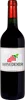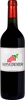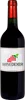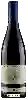
Cave de Sainte-Marie-La-BlancheBourgogne Hautes-Côtes de Nuits
 Red wine


In the mouth this red wine is a with a nice freshness.
This wine generally goes well with poultry, beef or veal.

Taste structure of the Bourgogne Hautes-Côtes de Nuits from the Cave de Sainte-Marie-La-Blanche
Light | Bold | |
Smooth | Tannic | |
Dry | Sweet | |
Soft | Acidic |
In the mouth the Bourgogne Hautes-Côtes de Nuits of Cave de Sainte-Marie-La-Blanche in the region of Burgundy is a with a nice freshness.
Food and wine pairings with Bourgogne Hautes-Côtes de Nuits
Pairings that work perfectly with Bourgogne Hautes-Côtes de Nuits



Original food and wine pairings with Bourgogne Hautes-Côtes de Nuits

The Bourgogne Hautes-Côtes de Nuits of Cave de Sainte-Marie-La-Blanche matches generally quite well with dishes of beef, veal or game (deer, venison) such as recipes of family potluck, bocconcini (veal rolls with ham and comté) or roast doe in the oven.
Details and technical informations about Cave de Sainte-Marie-La-Blanche's Bourgogne Hautes-Côtes de Nuits.
Discover the grape variety: Pinot noir
Elegant reds, light in colour with silky tannins, showing strawberry, cherry and raspberry aromas, evolving to forest floor, mushroom and spice with age. Fresh acidity, delicate finish. Star of the Côte d'Or (Romanée-Conti, Chambertin, Volnay), pillar of Champagne (Blanc de Noirs) and signature of Oregon, Central Otago and Sonoma Coast. An early-ripening Burgundian variety, one of the world's greatest.
Informations about the Cave de Sainte-Marie-La-Blanche
The Cave de Sainte-Marie-La-Blanche is one of of the world's greatest estates. It offers 33 wines for sale in the of Bourgogne Hautes-Côtes de Nuits to come and discover on site or to buy online.

The wine region of Bourgogne Hautes-Côtes de Nuits
Cool high-altitude sister (300-500 m) west of the Cote de Nuits: signature Pinot Noir as red — lively and fruity with notes of cherry, raspberry, redcurrant, wild strawberry and a floral touch, supple tannins and the signature freshness of altitude, accessible young. Chardonnay as a taut, mineral white (citrus, green apple, white flowers, flint), preserved acidity. Aligote as a complement. AOC (1961), 16 villages, limestone and marl on slopes, cooler climate than the Cote, ages 3-6 years.
The wine region of Burgundy
Absolute reference for great terroir wines: opulent, mineral Chardonnay in whites (chiselled Chablis, buttery Meursault, majestic Montrachet), fine and silky Pinot Noir in reds (full-bodied Gevrey, structured Pommard, delicate Volnay). Exceptional age-worthy wines with complex notes - red fruits, undergrowth, butter, hazelnut. Some lively Aligoté and light Gamay (Mâconnais). 29,500 ha, 84 tiered AOCs (Régionale, Village, 1er Cru, Grand Cru), 1,247 UNESCO Climats.
The word of the wine: Tanin
A natural compound contained in the skin of the grape, the seed or the woody part of the bunch, the stalk. The maceration of red wines allows the extraction of tannins, which give the texture, the solidity and also the mellowness when the tannins are "ripe". The winemaker seeks above all to extract the tannins from the skin, the ripest and most noble. The tannins of the seed or stalk, which are "greener", especially in average years, give the wine hardness and astringency. The wines of Bordeaux (based on Cabernet and Merlot) are full of tannins, those of Burgundy much less so, with Pinot Noir containing little.