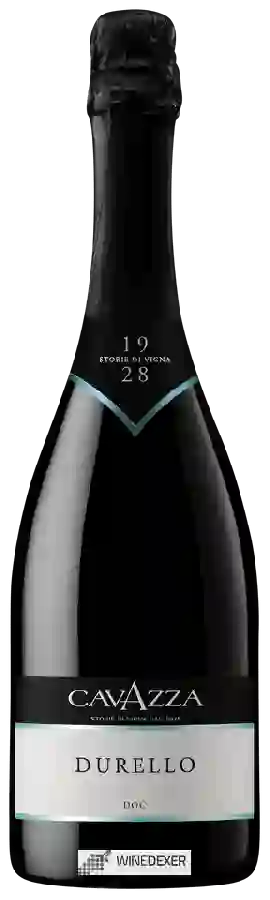
Winery CavazzaDurello
 Sparkling wine



This wine generally goes well with
Details and technical informations about Winery Cavazza's Durello.
Discover the grape variety: Malvoisie de l' Istrie
This grape variety is endemic to the Istrian peninsula, which is partly located in Italy, Slovenia and Croatia, where it is the leading white grape variety. In France, it is almost unknown. It is related to malvasia bianca longa, also known as malvasia del Chianti.
Last vintages of this wine
The best vintages of Durello from Winery Cavazza are 0, 2016
Informations about the Winery Cavazza
The Winery Cavazza is one of of the world's great estates. It offers 39 wines for sale in the of Recioto di Gambellara to come and discover on site or to buy online.

The wine region of Recioto di Gambellara
The wine region of Recioto di Gambellara is located in the region of Gambellara of Vénétie of Italy. Wineries and vineyards like the Domaine Angiolino Maule or the Domaine Angiolino Maule produce mainly wines sparkling, sweet and unknow. The most planted grape varieties in the region of Recioto di Gambellara are Garganega, they are then used in wines in blends or as a single variety. On the nose of Recioto di Gambellara often reveals types of flavors of tree fruit, dried fruit or non oak and sometimes also flavors of earth.
The wine region of Veneto
Veneto is an important and growing wine region in northeastern Italy. Veneto is administratively Part of the Triveneto area, aLong with its smaller neighbors, Trentino-Alto Adige and Friuli-Venezia Giulia. In terms of geography, culture and wine styles, it represents a transition from the Alpine and Germanic-Slavic end of Italy to the warmer, drier, more Roman lands to the South. Veneto is slightly smaller than the other major Italian wine regions - Piedmont, Tuscany, Lombardy, Puglia and Sicily - but it produces more wine than any of them.
The word of the wine: Phylloxera
Aphid that came from America and ravaged European vineyards at the end of the 19th century. It lives on the roots of the vine, from which it pumps the sap. The only vines capable of resisting it had to be imported from the United States, and then grafted onto their root system the wood of traditional French grape varieties. Today, grafted vines are always planted.