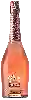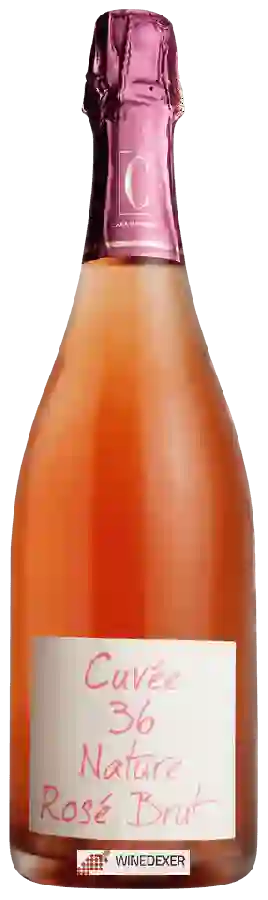
Winery Casa CaterinaCuvée 36 Nature Rosé Brut
 Sparkling wine


This wine generally goes well with pork, poultry or beef.

Food and wine pairings with Cuvée 36 Nature Rosé Brut
Pairings that work perfectly with Cuvée 36 Nature Rosé Brut



Original food and wine pairings with Cuvée 36 Nature Rosé Brut


The Cuvée 36 Nature Rosé Brut of Winery Casa Caterina matches generally quite well with dishes of beef, lamb or pork such as recipes of marinated shrimp skewers with garlic, shoulder of lamb with a spoon or flammekueche (with laughing cow).
Details and technical informations about Winery Casa Caterina's Cuvée 36 Nature Rosé Brut.
Discover the grape variety: Roublot
Simple dry whites with a pale golden robe, a supple palate with moderate acidity, and understated aromas of citrus and white flowers. Discreet rustic profile. Nearly extinct, preserved in INRAE varietal collections for its heritage value, it bears witness to the pre-phylloxera ampelographic diversity of the South-West and is among the heritage grape varieties being studied. Rare French white grape, once cultivated in the South-West.
Last vintages of this wine
The best vintages of Cuvée 36 Nature Rosé Brut from Winery Casa Caterina are 2015, 2013, 0
Informations about the Winery Casa Caterina
The Winery Casa Caterina is one of of the world's greatest estates. It offers 38 wines for sale in the of Lombardia to come and discover on site or to buy online.

The wine region of Lombardia
Three poles. Franciacorta DOCG, Italy's answer to Champagne: elegant brioche traditional-method sparklers (Chardonnay, Pinot Noir, Pinot Blanc), fine bubble and mineral profile. Alpine Valtellina: Nebbiolo (alias Chiavennasca) with fine tannins and red fruits, powerful Sforzato passito. Oltrepò Pavese: fresh Pinot Noir and fruity-sparkling Bonarda.
The word of the wine: Brut nature (or ultra brut)
A type of champagne that has not received any dosage liqueur.