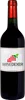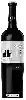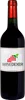
Bodegas Castillo ViejoIsla de Lobos Varietal Premium Cabernet Sauvignon
 Red wine


In the mouth this red wine is a powerful with a nice balance between acidity and tannins.
This wine generally goes well with poultry, beef or lamb.

Taste structure of the Isla de Lobos Varietal Premium Cabernet Sauvignon from the Bodegas Castillo Viejo
Light | Bold | |
Smooth | Tannic | |
Dry | Sweet | |
Soft | Acidic |
In the mouth the Isla de Lobos Varietal Premium Cabernet Sauvignon of Bodegas Castillo Viejo in the region of San José is a powerful with a nice balance between acidity and tannins.
Food and wine pairings with Isla de Lobos Varietal Premium Cabernet Sauvignon
Pairings that work perfectly with Isla de Lobos Varietal Premium Cabernet Sauvignon



Original food and wine pairings with Isla de Lobos Varietal Premium Cabernet Sauvignon
The Isla de Lobos Varietal Premium Cabernet Sauvignon of Bodegas Castillo Viejo matches generally quite well with dishes of beef, lamb or poultry such as recipes of beef mironton, lamb shoulder confit or eggs florentine.
Details and technical informations about Bodegas Castillo Viejo's Isla de Lobos Varietal Premium Cabernet Sauvignon.
Discover the grape variety: Cabernet-Sauvignon
Structured, tannic reds, deeply coloured, with aromas of blackcurrant, blackberry, cedar, tobacco and graphite, underpinned by firm acidity and fine ageing potential. Cornerstone of the great Médoc estates (Pauillac, Saint-Estèphe, Saint-Julien) and signature of Napa Valley, Coonawarra and Maipo. The world's most planted red variety, a natural cross of Cabernet Franc x Sauvignon Blanc born in Bordeaux.
Last vintages of this wine

The best vintages of Isla de Lobos Varietal Premium Cabernet Sauvignon from Bodegas Castillo Viejo are 2013, 2014, 2011, 0 and 2010.
Informations about the Bodegas Castillo Viejo
The Bodegas Castillo Viejo is one of of the world's great estates. It offers 78 wines for sale in the of San José to come and discover on site or to buy online.

The wine region of San José
Viticultural department of southern Uruguay facing the Rio de la Plata, temperate oceanic climate, clay-loam soils. Tannat red king (imported from SW France in 1870 by Basques): silkier and fruitier Uruguayan version than Madiran — blackberry, black cherry, plum, cocoa, herbs, smooth rounded tannins. Supple Merlot and firm Cabernet complementary. Taut saline Albariño and crisp Sauvignon Blanc in whites.
The word of the wine: Tressallier
White grape variety from the Allier region, identical to the Sacy variety grown in Burgundy. Rarely vinified on its own, it is used in the blending of Saint-Pourçain white wines, associated with chardonnay, the main grape variety of the appellation. Syn.: sacy.