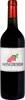
Winery Cascina SperanzaLa Rossa Barbera d'Asti Rds Style
 wine
wine
This wine generally goes well with
The La Rossa Barbera d'Asti Rds Style of the Winery Cascina Speranza is in the top 0 of wines of Barbera d'Asti.

Details and technical informations about Winery Cascina Speranza's La Rossa Barbera d'Asti Rds Style.
Discover the grape variety: Doçal de Refóios
Very fresh and light whites with a pale golden robe, airy palate with lively acidity, showing signature aromas of citrus (lemon), white flowers and nervous notes. Confidential heritage profile. Rare and confidential, it belongs to the heritage varieties preserved for their genetic and historical interest within the Vinho Verde DOC. Portuguese white autochtone variety from northern Minho, in the Lima sub-region.
Informations about the Winery Cascina Speranza
The Winery Cascina Speranza is one of of the world's greatest estates. It offers 3 wines for sale in the of Barbera d'Asti to come and discover on site or to buy online.

The wine region of Barbera d'Asti
Apogee of Piedmont Barbera: a gourmet, vibrant red with signature notes of ripe cherry, raspberry, plum and violet, characteristic fresh acidity and supple tannins that make it immediately drinkable. A direct, everyday Italian style, perfect with charcuterie and pasta. Fleshier Superiore versions (14 months ageing) with liquorice and dark chocolate notes, and Nizza DOCG at the summit. 6,000 ha of clay-limestone hills between Asti and Alessandria.
The wine region of Piedmont
Kingdom of Nebbiolo: Barolo and Barbaresco DOCG, long-ageing reds with firm tannins and lively acidity, complex aromas of withered rose, sour cherry, tar, truffle and undergrowth. More accessible, tangy Barbera on red fruit, supple, crisp Dolcetto. Sweet, floral sparkling Moscato d'Asti, mineral, lemony Gavi (Cortese) white, round, almondy Arneis from Roero. 50,000 ha across the Langhe, Roero and Monferrato, UNESCO.
The word of the wine: Anthocyanins
Phenolic compounds present in the skin of grapes that give colour to red wines during maceration.