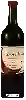
Winery Casa NuestraEvangelho Vineyard Old Vines Carignan
 wine
wine
This wine generally goes well with
The Evangelho Vineyard Old Vines Carignan of the Winery Casa Nuestra is in the top 0 of wines of Contra Costa County.

Details and technical informations about Winery Casa Nuestra's Evangelho Vineyard Old Vines Carignan.
Discover the grape variety: Valérien
Simple, fresh dry whites with a pale golden robe, supple palate with moderate acidity, showing understated citrus and white flower aromas. Discreet rustic southern profile. Nearly extinct, preserved in INRAE variety collections for its heritage value, it reflects the pre-phylloxera ampelographic diversity of south-eastern France. Rare French white variety, formerly grown in the south-east.
Informations about the Winery Casa Nuestra
The Winery Casa Nuestra is one of of the world's great estates. It offers 25 wines for sale in the of Contra Costa County to come and discover on site or to buy online.

The wine region of Contra Costa County
Historic AVA of San Francisco Bay with century-old vines on deep sands (Brentwood, Oakley): Zinfandel signature from old vines planted 100+ years ago (Evangelho, Bigelow, Mazzoni) — concentrated and earthy reds with intense black fruits, spices and firm tannins. Robust and structured patrimonial Mourvèdre (Mataro) and Carignan. Draining sands restricting yields, small berries with thick skins. Also Petite Sirah.
The wine region of California
Powerful, sunny reds: dense Napa Cabernet Sauvignon (blackcurrant, chocolate, tobacco, ample tannins), spicy, jammy Zinfandel from the Sierra Foothills, silky red-fruited Pinot Noir on the cool coast (Sonoma, Russian River, Central Coast). Opulent, buttery Chardonnay, notes of yellow fruit and vanilla. Varied climate, from the hot interior to the Pacific-cooled coast. 80% of US production, 139 AVAs including Napa (1st AVA, 1981).
The word of the wine: Deposit
Solid particles that can naturally coat the bottom of a bottle of wine. It is rather a guarantee that the wine has not been mistreated: in fact, to avoid the natural deposit, rather violent processes of filtration or cold passage (- 7 or - 8 °C) are used in order to precipitate the tartar (the small white crystals that some people confuse with crystallized sugar: just taste to dissuade you from it)