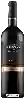
Winery Casa MontesAmpakama Malbec - Merlot
 Red wine


This wine is composed of 100% of the grape variety Merlot.
This wine generally goes well with beef and game (deer, venison).

Wine flavors and olphactive analysis


On the nose the Ampakama Malbec - Merlot of Winery Casa Montes in the region of San Juan often reveals types of flavors of black fruit.
Food and wine pairings with Ampakama Malbec - Merlot
Pairings that work perfectly with Ampakama Malbec - Merlot


Original food and wine pairings with Ampakama Malbec - Merlot
The Ampakama Malbec - Merlot of Winery Casa Montes matches generally quite well with dishes of beef or game (deer, venison) such as recipes of empanadas de carne (argentina) or provençal tart with rabbit.
Details and technical informations about Winery Casa Montes's Ampakama Malbec - Merlot.
Discover the grape variety: Merlot
Round and fleshy reds with a velvety texture, showing aromas of ripe plum, black cherry, cocoa and truffle notes with age. Supple tannins, generous alcohol, indulgent finish. Pillar of Libournais (Pomerol with Pétrus, Saint-Émilion with Cheval Blanc and Ausone) and signature of Super Tuscans, Italian Wales and Washington State. A cross of Cabernet Franc × Magdeleine Noire, France's most planted red variety.
Last vintages of this wine

The best vintages of Ampakama Malbec - Merlot from Winery Casa Montes are 2019, 2011, 2018, 2016 and 2010.
Informations about the Winery Casa Montes
The Winery Casa Montes is one of of the world's great estates. It offers 50 wines for sale in the of San Juan to come and discover on site or to buy online.

The wine region of San Juan
Argentina's 2nd province by volume, a very sunny Andean oasis (<30 cloudy days/year). Signature Syrah (~22% of Argentine Syrah): intense, sun-drenched reds with signature notes of blackberry, black plum, pepper, olive, violet and sweet spice, round tannins and vivid fruit. Also fleshy Malbec, supple Bonarda, spicy Tempranillo. Floral, muscat Torrontes and ample Chardonnay in white.
The word of the wine: Sorting
Action which consists in removing the bad grains, not ripe or affected by the rot. We often use vibrating sorting tables which, by shaking, make the impurities fall to the ground. In the case of sweet wines, we speak of harvesting by successive selections, in several passages, to select the very ripe grapes each time.