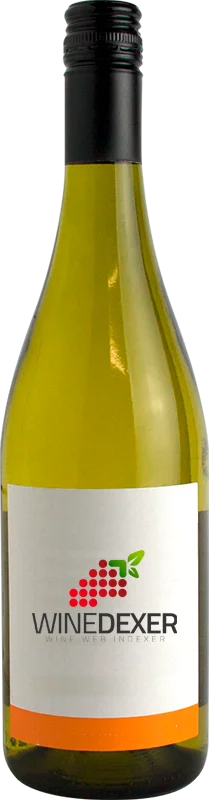
Winery Cardonne YannickCôteaux de Vuillafans
 White wine
This wine generally goes well with pork, vegetarian or poultry.
The Côteaux de Vuillafans of the Winery Cardonne Yannick is in the top 40 of wines of Franche-Comte.
Food and wine pairings with Côteaux de Vuillafans
Pairings that work perfectly with Côteaux de Vuillafans



Original food and wine pairings with Côteaux de Vuillafans

The Côteaux de Vuillafans of Winery Cardonne Yannick matches generally quite well with dishes of pork, rich fish (salmon, tuna etc) or vegetarian such as recipes of tartiflette, pan bagnat or light tuna-tomato quiche (without cream).
Details and technical informations about Winery Cardonne Yannick's Côteaux de Vuillafans.
Discover the grape variety: Chardonnay
The white Chardonnay is a grape variety that originated in France (Burgundy). It produces a variety of grape specially used for wine making. It is rare to find this grape to eat on our tables. This variety of grape is characterized by small bunches, and small grapes. White Chardonnay can be found in many vineyards: South West, Burgundy, Jura, Languedoc & Roussillon, Cognac, Bordeaux, Beaujolais, Savoie & Bugey, Loire Valley, Champagne, Rhone Valley, Armagnac, Lorraine, Alsace, Provence & Corsica.
Informations about the Winery Cardonne Yannick
The Winery Cardonne Yannick is one of of the world's greatest estates. It offers 3 wines for sale in the of Franche-Comte to come and discover on site or to buy online.

The wine region of Franche-Comte
Franche-Comté is the regional PGI title covering both still and Sparkling wines from a large mountainous region in eastern France. The region is made up of the departments of Haute-Saône, Doubs and Jura, the latter of which is home to the Jura wine region and many appellations d'origine contrôlée (AOC) such as Arbois. The PGI offers more freedom to the region's winemakers, both geographically and in terms of winemaking. The Franche-Comté region - one of France's 27 official regions - borders Switzerland.
The word of the wine: Paille (wine of)
A sweet wine obtained by passerillage after harvesting bunches of grapes placed on racks or hung in well-ventilated premises.