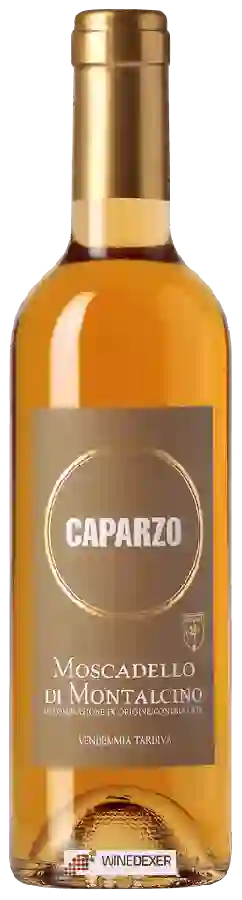
Winery CaparzoMoscadello di Montalcino
 Sweet wine


This wine generally goes well with

Wine flavors and olphactive analysis


On the nose the Moscadello di Montalcino of Winery Caparzo in the region of Tuscany often reveals types of flavors of earth, tree fruit.
Details and technical informations about Winery Caparzo's Moscadello di Montalcino.
Discover the grape variety: Petite Milo
Aromatic and fresh dry whites with a pale golden robe, a supple palate with preserved acidity, showing signature aromas of citrus (lemon, grapefruit), white flowers, white-fleshed fruits and herbaceous notes. Early-ripening, disease-resistant modern profile. Grown in Switzerland, Germany and Belgium for organic and sustainably managed vineyards. Swiss white hybrid grape obtained by Valentin Blattner at Soyhières, part of the disease-resistant variety generation.
Last vintages of this wine
The best vintages of Moscadello di Montalcino from Winery Caparzo are 2004, 2006, 2009, 2007 and 0.
Informations about the Winery Caparzo
The Winery Caparzo is one of of the world's great estates. It offers 34 wines for sale in the of Moscadello di Montalcino to come and discover on site or to buy online.

The wine region of Moscadello di Montalcino
Confidential Tuscan DOC (1984) of Montalcino, the sweet ancestor of the terroir long before Brunello (cited as early as the 16th century). Moscato Bianco is the exclusive signature — aromatic and sweet white with intense muscat, orange blossom, honey, apricot and floral-fruity notes. Available as tranquillo, perlant frizzante and velvet-smooth vendemmia tardiva passito. Post-phylloxera renaissance with Piedmontese plantings.
The wine region of Tuscany
Kingdom of Sangiovese: upright reds with cherry, plum, dried herbs and leather, lively acidity and firm tannins. Fleshy, food-friendly Chianti Classico DOCG, deep long-ageing Brunello di Montalcino (spice, tobacco, ripe black fruit), elegant Vino Nobile di Montepulciano. On the coast, Bolgheri crafts the opulent Cabernet- and Merlot-based 'Super Tuscans'. Some fresh white Vernaccia.
The word of the wine: Film maceration
A technique that consists of leaving the grapes to macerate in the open air at a low temperature before fermentation, thus enhancing the aromatic expression of the wine.