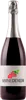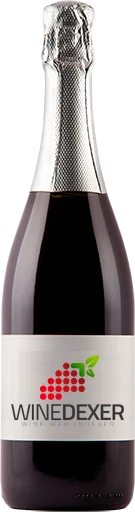
Winery Cantina Forli PredappioPagadebit Frizzante
 Sparkling wine


This wine generally goes well with

Details and technical informations about Winery Cantina Forli Predappio's Pagadebit Frizzante.
Discover the grape variety: Madeleine royale
Table grape with medium bunches and thin-skinned golden berries with juicy flesh and a pleasant sweet taste. Very early-ripening. Rarely vinified. Grown in France, Germany and England, prized for its early maturity and attractive appearance on the table in amateur gardens and fresh consumption at the start of the season. French white table grape variety obtained in the 19th century, an early cross.
Last vintages of this wine
The best vintages of Pagadebit Frizzante from Winery Cantina Forli Predappio are 0
Informations about the Winery Cantina Forli Predappio
The Winery Cantina Forli Predappio is one of of the world's great estates. It offers 28 wines for sale in the of Pagadebit di Romagna to come and discover on site or to buy online.

The wine region of Pagadebit di Romagna
Emilia-Romagna DOC saved from extinction (DOC 1988, hills of Ravenna, Forlì-Cesena and Rimini, notably Bertinoro and Castrocaro, chalky calcareous soils with Adriatic breezes and marked diurnal temperature swings): Bombino Bianco (≥85%) is the signature white — straw-yellow with a distinctive hawthorn aroma, harmonious herbaceous and delicate palate. The "pagadebiti" name recalls the variety's hardiness that saved local farmers. Traditional frizzante version.
The wine region of Emilia-Romagna
Kingdom of Lambrusco: fresh, fruity sparkling reds (blackberry, cherry, violet), from gourmet dry to convivial off-dry, perfect with local charcuterie. World's best-selling sparkling wine on the Emilia side (Sorbara, Grasparossa, Salamino). East, Romagna: supple fruity Sangiovese, Albana (Italy's 1st white DOCG, 1987) ample and almondy. Also red Gutturnio and white Pignoletto.
The word of the wine: Alcoholic fermentation
Transformation of sugars into alcohol under the effect of yeast. These yeasts exist in their natural state in the vineyards and in the cellars. Artificial seeding with selected yeasts is however very often practiced.