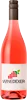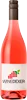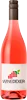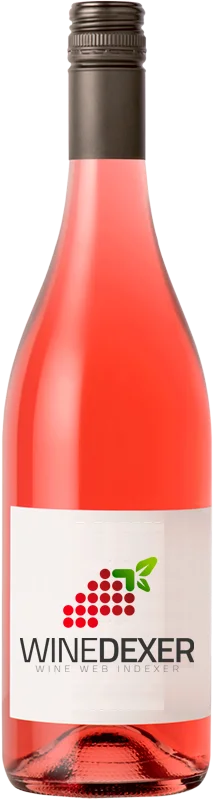
Domaine des CantarellesGourmandise Rosé
 Pink wine
This wine generally goes well with vegetarian, appetizers and snacks or lean fish.

Food and wine pairings with Gourmandise Rosé
Pairings that work perfectly with Gourmandise Rosé



Original food and wine pairings with Gourmandise Rosé


The Gourmandise Rosé of Domaine des Cantarelles matches generally quite well with dishes of pasta, vegetarian or appetizers and snacks such as recipes of lasagna bolognese, light tuna-tomato quiche (without cream) or avocado verrine and quick.
Details and technical informations about Domaine des Cantarelles's Gourmandise Rosé.
Discover the grape variety: Groppello gentile
Supple, delicate reds with a pale ruby robe, soft tannins, and an airy palate with fresh acidity, offering signature aromas of cherry, violet, wild strawberry, and delicate floral notes. Also the base of the renowned Chiaretto rosés. The star of Garda Classico DOC and Valtènesi DOC rosés, excelling as a single variety in light, fresh summer reds. A black Lombard variety from the shores of Lake Garda.
Informations about the Domaine des Cantarelles
The Domaine des Cantarelles is one of wineries to follow in Gard.. It offers 10 wines for sale in the of Gard to come and discover on site or to buy online.

The wine region of Gard
Vast Languedoc IGP between Costières and Camargue (Gard): signature Grenache, Syrah, Carignan, Mourvèdre and Cinsault as reds and rosés — fruity and sun-drenched with cherry, strawberry, raspberry, garrigue, spice and a peppery touch (Camargue gris rosés emblematic on sand). Floral whites from Grenache Blanc, Marsanne, Viognier and Vermentino. IGP, ~25,000 ha across 24 communes, sunny Mediterranean climate, cleansing mistral.
The wine region of Pays d'Oc
The single-grape IGP par excellence: modern, accessible, frank and fruity wines, the popular signature of the Midi. Spicy Syrah reds (pepper, blackberry), round Merlot, structured Cabernet, generous Grenache, supple Cinsault. Crisp, tangy rosés. Opulent Chardonnay whites, lively Sauvignon, floral, apricoty Viognier.
The word of the wine: Muscat blanc à petits grains
A white grape variety cultivated since antiquity on the shores of the Mediterranean, it is considered the noblest of the muscats. It is mainly used to make sweet wines, often from mutage. In France, it is the sole variety used in many natural sweet wines: muscat-de-frontignan, muscat-de-mireval, muscat-de-lunel, muscat-de-saint-jean-de-minervois, muscat-de-beaumes-de-venise, muscat-du-cap-corse. Combined with Muscat d'Alexandrie, it gives Muscat-de-Rivesaltes. It is also used to make sparkling white wines (clairette-de-die; moscato d'asti and asti spumante in Italy) and dry wines (alsace-muscat). Powerfully aromatic and complex, its wines evoke fresh grapes, roses, exotic fruits, citrus fruits and spices.