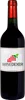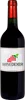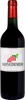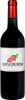
Winery Cana Di GalileaCotês de Bethlehem Dry Red
 Red wine



This wine generally goes well with

Details and technical informations about Winery Cana Di Galilea's Cotês de Bethlehem Dry Red.
Discover the grape variety: Pinotage
Intensely coloured, structured reds with inky robe and firm tannins, with typical aromas of blackberry, black plum, roasted coffee, cocoa, banana and characteristic smoky notes. Made as powerful ageing reds and as more approachable fruity cuvées, sometimes as rosés. Absolute signature of South Africa (Stellenbosch, Swartland, Paarl). Cross of pinot noir × cinsault created in 1925 by Abraham Perold at Stellenbosch University.
Last vintages of this wine
The best vintages of Cotês de Bethlehem Dry Red from Winery Cana Di Galilea are 0
Informations about the Winery Cana Di Galilea
The Winery Cana Di Galilea is one of of the world's greatest estates. It offers 6 wines for sale in the of Galilee to come and discover on site or to buy online.

The wine region of Galilee
Israel's wine heartland in the north, a benchmark quality zone. Powerful, structured reds with signature notes of ripe blackcurrant, blackberry, dark chocolate, herbes de Provence and spices, firm tannins and a sun-soaked palate. Dominant international grapes: dense Cabernet Sauvignon, round Merlot, peppery Syrah and colourful Petit Verdot. Round Chardonnay and lively Sauvignon Blanc whites.
The word of the wine: CM
Mention on the label of a champagne. It is a handling cooperative that produces on its own premises and markets under its own brand the wines made from the grapes harvested by its members.