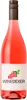
Winery Campagne SarrièrePetit Grain
 wine
wine
This wine generally goes well with
The Petit Grain of the Winery Campagne Sarrière is in the top 0 of wines of Rhone Valley.
Details and technical informations about Winery Campagne Sarrière's Petit Grain.
Discover the grape variety: Courbu
Courbu is indigenous to the Pyrenean vineyards. This white grape variety is part of the Jurançon family. Three clones are recognized in this variety, which buds in the medium term, develops regularly and has satisfactory productivity. The way in which the shoots form is characteristic. Initially upright, they bend and curve, giving a parasol-like finish to the vine. A vigorous rootstock is recommended to see the Courbu develop and mature at a late age. The small clusters display quite distinctive features. Not necessarily winged, they are pignate and stocky, with a rounded or rather flattened shape. A light pink veil covers the most mature berries, but the original colour varies from yellow-green to golden white. Vinification enhances the juice of this variety. The bouquet becomes more refined with age under a pale yellow colour. Dry or sweet, this wine is always remarkably fine.
Last vintages of this wine



The best vintages of Petit Grain from Winery Campagne Sarrière are 0
Informations about the Winery Campagne Sarrière
The Winery Campagne Sarrière is one of of the world's greatest estates. It offers 4 wines for sale in the of Rhone Valley to come and discover on site or to buy online.

The wine region of Rhone Valley
The Rhone Valley is a key wine-producing region in Southeastern France. It follows the North-south course of the Rhône for nearly 240 km, from Lyon to the Rhône delta (Bouches-du-Rhône), near the Mediterranean coast. The Length of the valley means that Rhône wines are the product of a wide variety of soil types and mesoclimates. The viticultural areas of the region cover such a distance that there is a widely accepted division between its northern and southern parts.
The word of the wine: Passerillage
Concentration of the grape by drying out, under the influence of wind or sun, as opposed to botrytisation, which is the concentration obtained by the development of the "noble rot" for which Botrytis cinerea is responsible. The word is mainly used for sweet wines.