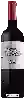
Winery Camino del NorteLos Vientos Rufete
 Red wine



In the mouth this red wine is a powerful with a nice balance between acidity and tannins.
This wine generally goes well with poultry, beef or veal.

Taste structure of the Los Vientos Rufete from the Winery Camino del Norte
Light | Bold | |
Smooth | Tannic | |
Dry | Sweet | |
Soft | Acidic |
In the mouth the Los Vientos Rufete of Winery Camino del Norte in the region of Castille-et-Léon is a powerful with a nice balance between acidity and tannins.
Food and wine pairings with Los Vientos Rufete
Pairings that work perfectly with Los Vientos Rufete



Original food and wine pairings with Los Vientos Rufete

The Los Vientos Rufete of Winery Camino del Norte matches generally quite well with dishes of beef, pasta or veal such as recipes of roast beef with garlic, leek and salmon lasagna or veal breast with new vegetables.
Details and technical informations about Winery Camino del Norte's Los Vientos Rufete.
Discover the grape variety: Troyen
Simple, fresh dry whites with a pale golden colour, a supple palate with moderate acidity, and understated aromas of citrus and white flowers. Discreet Champenois profile. Nearly extinct, preserved in varietal collections for its heritage value, it belongs to the ancient grape varieties of Champagne and the Aube studied for their genetic and historical interest. A rare French white grape variety once cultivated in Champagne and the Aube.
Last vintages of this wine
The best vintages of Los Vientos Rufete from Winery Camino del Norte are 2017, 0
Informations about the Winery Camino del Norte
The Winery Camino del Norte is one of of the world's greatest estates. It offers 5 wines for sale in the of Sierra de Salamanca to come and discover on site or to buy online.

The wine region of Sierra de Salamanca
DOP of Castile and León (2010) south-west of Salamanca on the Sierra de Francia, terraced vineyards on schist and granite, century-old vines, temperate continental climate. Rufete is the signature indigenous red (≥60%, "Spanish Pinot Noir"): fine and ethereal with cherry, raspberry, flowers, garrigue and a schistous mineral note, fresh altitude acidity and melted tannins. Garnacha and Tempranillo as complements. Viura and Moscatel as whites.
The wine region of Castille-et-Léon
Cradle of great Castilian reds on high-altitude plateaus (450-1000 m) of the Duero. Tempranillo king (Tinto Fino, Tinta de Toro): powerful, structured reds with notes of black cherry, blackberry, plum, leather and spices, firm tannins and length worthy of long ageing. Stars: Ribera del Duero (Vega Sicilia, Pingus), fleshy Toro, Bierzo (fresh mineral Mencía). Lively herbaceous Verdejo whites from Rueda, cut grass and citrus.
The word of the wine: Cinsault
Cinsault is a southern black grape variety that can be found in the blends of most Mediterranean appellations, but most often as an accessory grape variety. It is undoubtedly most present in certain rosé wines (in Corbières, Côtes-de-Provence, etc.): it gives these wines highly appreciated aromas of strawberry, peach and raspberry. In vin de pays (IGP), it is often vinified on its own, usually as a rosé.