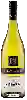
Winery CalliopeSauvignon Blanc
 White wine



This wine generally goes well with vegetarian, rich fish (salmon, tuna etc) or shellfish.

Wine flavors and olphactive analysis


On the nose the Sauvignon Blanc of Winery Calliope in the region of British Columbia often reveals types of flavors of earth, vegetal or tree fruit and sometimes also flavors of citrus fruit, tropical fruit.
Food and wine pairings with Sauvignon Blanc
Pairings that work perfectly with Sauvignon Blanc



Original food and wine pairings with Sauvignon Blanc
The Sauvignon Blanc of Winery Calliope matches generally quite well with dishes of rich fish (salmon, tuna etc), shellfish or vegetarian such as recipes of mexican salad with spicy dressing, squid from the mouth of the cavado river (portugal) or spinach and goat cheese quiche.
Details and technical informations about Winery Calliope's Sauvignon Blanc.
Discover the grape variety: Prc
Simple, fresh dry whites with a pale golden colour, a supple palate and preserved acidity showing understated aromas of citrus, white flowers and herbaceous Dalmatian notes. An airy, rustic profile for early drinking. Preserved for its heritage value, it reflects the rich varietal diversity of the Croatian coast among the studied Dalmatian autochthonous varieties.
Last vintages of this wine
The best vintages of Sauvignon Blanc from Winery Calliope are 2015, 2014, 2018, 0 and 2016.
Informations about the Winery Calliope
The Winery Calliope is one of of the world's greatest estates. It offers 8 wines for sale in the of British Columbia to come and discover on site or to buy online.

The wine region of British Columbia
Canada's west-coast benchmark, wine heartland in the Okanagan Valley. Semi-desert continental climate, marked temperature swings: signature Pinot Gris (pear, honey, spice, round palate), fresh, fine Pinot Noir (cherry, undergrowth), precise Chardonnay and taut Riesling in the north. Hot south for dense Cabernet Sauvignon, round Merlot and peppery Syrah. Also exceptional Icewine (Vidal, Riesling).
The word of the wine: Acerbe
Acidic taste with a certain astringency reminiscent of unripe fruit.