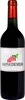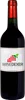
Winery California SpringRuby Cabernet
 Red wine



This wine generally goes well with

Details and technical informations about Winery California Spring's Ruby Cabernet.
Discover the grape variety: Ruby-cabernet
Deeply coloured, structured reds with a deep ruby robe, smooth tannins and preserved acidity under warm conditions, with aromas of blackcurrant, blackberry, plum, spice and blackcurrant-leaf herbal notes. Round palate, fruity finish. Productive and heat-tolerant, it produces high-volume reds in California (Central Valley), South Africa, Australia, Argentina, Mexico and Israel. Californian variety created in 1936 by Harold Olmo at UC Davis (Cabernet Sauvignon × Carignan).
Last vintages of this wine
The best vintages of Ruby Cabernet from Winery California Spring are 2008, 0, 2011
Informations about the Winery California Spring
The Winery California Spring is one of of the world's greatest estates. It offers 5 wines for sale in the of Central Valley to come and discover on site or to buy online.

The wine region of Central Valley
Heart of Chile's wine country (Maipo, Rapel, Curicó, Maule), ideal Mediterranean climate between the Andes and the Pacific, gravelly alluvial soils. Cabernet Sauvignon is the signature king red (~30% of plantings): structured and deep with blackcurrant, black cherry, plum, eucalyptus and a peppery touch, firm tannins. Carmenère Chilean signature with herbaceous and spiced notes. Supple Merlot, full-bodied Syrah.
The wine region of California
Powerful, sunny reds: dense Napa Cabernet Sauvignon (blackcurrant, chocolate, tobacco, ample tannins), spicy, jammy Zinfandel from the Sierra Foothills, silky red-fruited Pinot Noir on the cool coast (Sonoma, Russian River, Central Coast). Opulent, buttery Chardonnay, notes of yellow fruit and vanilla. Varied climate, from the hot interior to the Pacific-cooled coast. 80% of US production, 139 AVAs including Napa (1st AVA, 1981).
The word of the wine: Terroir
Strictly speaking, the notion of terroir corresponds to the geological characteristics of a vineyard. However, when we talk about terroir, we take into account the soil, the climate (even the microclimate), the flora, the fauna, and the human factor that characterizes the practices that make up the art of the craft.