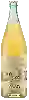
Winery CaldirolaIL Re Pinot Grigio
 White wine



In the mouth this white wine is a .
This wine generally goes well with vegetarian, appetizers and snacks or shellfish.

Taste structure of the IL Re Pinot Grigio from the Winery Caldirola
Light | Bold | |
Dry | Sweet | |
Soft | Acidic |
In the mouth the IL Re Pinot Grigio of Winery Caldirola in the region of Puglia is a .
Food and wine pairings with IL Re Pinot Grigio
Pairings that work perfectly with IL Re Pinot Grigio



Original food and wine pairings with IL Re Pinot Grigio
The IL Re Pinot Grigio of Winery Caldirola matches generally quite well with dishes of shellfish, vegetarian or appetizers and snacks such as recipes of squid from the mouth of the cavado river (portugal), zucchini quiche or chorizo rillettes.
Details and technical informations about Winery Caldirola's IL Re Pinot Grigio.
Discover the grape variety: Calabre blanc
Aromatic dry and semi-dry whites with a pale golden colour, a supple palate with moderate acidity, and characteristic muscat aromas (fresh grape, flowers) with Mediterranean notes. Simple profile. Nearly extinct in commercial cultivation, preserved in varietal collections; witnesses the historical spread of Italian varieties across central and eastern Europe. Historic Italian white variety, once grown in central and southern Italy and eastern Europe.
Last vintages of this wine
The best vintages of IL Re Pinot Grigio from Winery Caldirola are 2018, 0
Informations about the Winery Caldirola
The Winery Caldirola is one of of the world's greatest estates. It offers 86 wines for sale in the of Puglia to come and discover on site or to buy online.

The wine region of Puglia
Heel of the boot, 80% red vineyard, sunny and generous. Fleshy, jammy Primitivo (= Zinfandel) with notes of black cherry, plum, chocolate and spices, powerful alcohol and melted tannins, a star in Primitivo di Manduria. Deep, structured Negroamaro (black-bitter) with a bitter finish in Salice Salentino. Structured Nero di Troia, spicy Susumaniello.
The word of the wine: Apogee
This period varies greatly depending on the type of wine and the vintage, and corresponds to the optimum quality of a wine. After the peak comes the decline.