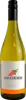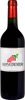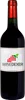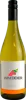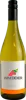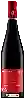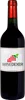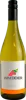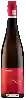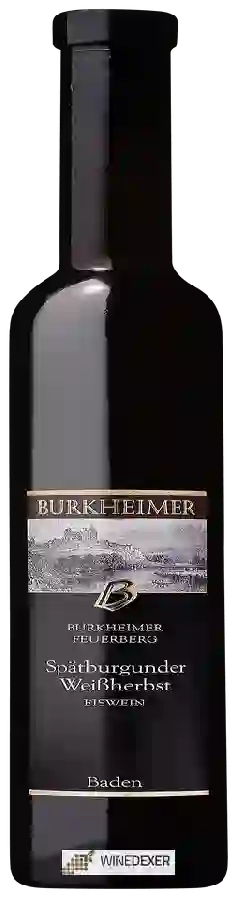
Winery BurkheimerSpätburgunder Weissherbst Eiswein
 Sweet wine



This wine generally goes well with poultry, beef or veal.

Food and wine pairings with Spätburgunder Weissherbst Eiswein
Pairings that work perfectly with Spätburgunder Weissherbst Eiswein



Original food and wine pairings with Spätburgunder Weissherbst Eiswein

The Spätburgunder Weissherbst Eiswein of Winery Burkheimer matches generally quite well with dishes of beef, veal or game (deer, venison) such as recipes of beef goulash, chicken bonne femme or roast duck breast or duck fillet with dried apricots.
Details and technical informations about Winery Burkheimer's Spätburgunder Weissherbst Eiswein.
Discover the grape variety: Rondo
Colourful, fruity reds with a dense purple robe, supple tannins and fresh acidity. Aromas of black cherry, blackberry, plum, blackcurrant and spicy notes. Round palate, best drunk young. A very early-ripening, cold-hardy interspecific variety (to -25 °C), it drives northern viticulture in Germany, the UK, the Netherlands, Belgium, Denmark, Sweden and Poland. German hybrid created in 1964 at Geilweilerhof (Vitis amurensis × Saint-Laurent, descended from Zarya Severa).
Last vintages of this wine
The best vintages of Spätburgunder Weissherbst Eiswein from Winery Burkheimer are 0, 2012
Informations about the Winery Burkheimer
The Winery Burkheimer is one of of the world's great estates. It offers 88 wines for sale in the of Baden to come and discover on site or to buy online.

The wine region of Baden
German capital of Pinot Noir (Spätburgunder): silky, fine reds with notes of red fruits, cherry, undergrowth and sweet spices, melted tannins. Round Grauburgunder (Pinot Gris), lively Weissburgunder, supple Müller-Thurgau, mineral Riesling. Germany's 3rd region (15,000 ha) in Baden-Württemberg facing Alsace, one of the country's warmest climates, volcanic soils at the Kaiserstuhl. Cradle of modern great German reds, elegant and fine.
The word of the wine: Pruine
A thin, fluffy film that covers the surface of the grape. It makes the berry impermeable and contains the indigenous yeasts necessary for the fermentation of the must.