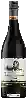
Winery Bryan MacRobertAbbotsdale Pinotage
 wine
wine
This wine generally goes well with
The Abbotsdale Pinotage of the Winery Bryan MacRobert is in the top 0 of wines of Swartland.

Details and technical informations about Winery Bryan MacRobert's Abbotsdale Pinotage.
Discover the grape variety: Fantasy seedless
Table grape with long bunches and elongated seedless (pipless) dark violet berries, thin skin and crunchy flesh with a pleasant sweet flavour. Early ripening. Very rarely vinified. Grown in California, Australia, Chile and South Africa for export markets, prized for its attractive appearance, pleasant flavour and good shelf life. American seedless black table grape variety, obtained in California by crossbreeding for fresh consumption.
Informations about the Winery Bryan MacRobert
The Winery Bryan MacRobert is one of of the world's greatest estates. It offers 12 wines for sale in the of Swartland to come and discover on site or to buy online.

The wine region of Swartland
South African renaissance north of Cape Town: signature Chenin Blanc as king white (old bush vines) — full and mineral with notes of quince, honey, yellow fruits, toasted almond and a saline touch, noble texture and a refined finish. Signature Syrah as king red — spicy and fleshy with blackberry, raspberry, garrigue and pepper, fine tannins. Grenache and Cinsault complete it. Non-interventionist winemaking (whole bunch, old foudres).
The wine region of Western Cape
Cradle of South African wine. Signature Chenin Blanc (Steen, 20%) in ample, fresh whites with notes of quince, yellow apple, honey and acacia flower, from crisp dry to sweet. Sharp, iodised Sauvignon Blanc (Walker Bay, Constantia), balanced Chardonnay. Reds: emblematic Pinotage with roasted aromas (coffee, plum, smoke), firm Cabernet Sauvignon, spicy Syrah.
The word of the wine: Tartar (deposit)
White, chalky deposits that occur as a result of precipitation inside bottles and are often considered by consumers as a defect. They are in fact tartaric salts formed by tartaric acid, potassium and calcium naturally present in the wine. This deposit does not alter the quality of the wine and can be eliminated by a simple decanting.