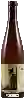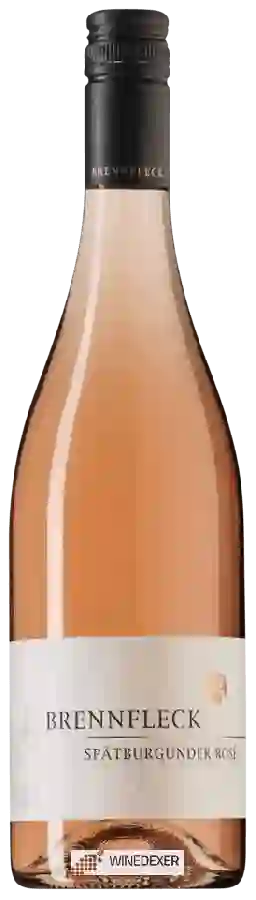
Winery BrennfleckSpätburgunder Rosé
 Pink wine



This wine generally goes well with vegetarian

Food and wine pairings with Spätburgunder Rosé
Pairings that work perfectly with Spätburgunder Rosé

Original food and wine pairings with Spätburgunder Rosé
The Spätburgunder Rosé of Winery Brennfleck matches generally quite well with dishes of vegetarian such as recipes of cream and tuna quiche.
Details and technical informations about Winery Brennfleck's Spätburgunder Rosé.
Discover the grape variety: Malvoisie de Lipari
Intense and candied passito dessert wines with an amber golden robe, a dense and unctuous palate, with signature aromas of dried fruits (dried apricot, fig), honey, white flowers (orange blossom), candied citrus and balsamic notes. A legendary Aeolian profile with very great length. The absolute star of the Malvasia delle Lipari DOC, one of the great Mediterranean dessert wines. French synonym for Malvasia di Lipari, native Italian white grape from the Aeolian Islands.
Last vintages of this wine
The best vintages of Spätburgunder Rosé from Winery Brennfleck are 2016, 0
Informations about the Winery Brennfleck
The Winery Brennfleck is one of of the world's greatest estates. It offers 53 wines for sale in the of Franken to come and discover on site or to buy online.

The wine region of Franken
Homeland of German Silvaner: dry, straight, mineral and lively whites with notes of green apple, citrus, fresh herbs and a saline touch, planted here for over 350 years (1,500 ha, a quarter of the vineyard). Also supple, floral Müller-Thurgau, taut Riesling, aromatic Bacchus. Some discreet reds (Spätburgunder). 6,040 ha in Bavaria along the Main around Würzburg, red sandstone and shell-limestone soils.
The word of the wine: Sabrer (champagne)
A cavalier and folkloric way of opening a bottle of champagne by breaking the neck with a sharp blow given with the top of the blade of a sabre.