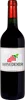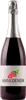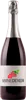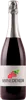
Winery Borgo ColProsecco Treviso Extra Dry
 wine
wine
This wine generally goes well with
The Prosecco Treviso Extra Dry of the Winery Borgo Col is in the top 0 of wines of Prosecco di Treviso.
Details and technical informations about Winery Borgo Col's Prosecco Treviso Extra Dry.
Discover the grape variety: Ribolla gialla
A very old grape variety that has been cultivated for a long time in Italy, more precisely in the Friuli region. It can also be found in Slovenia, Greece (island of Cephalonia), in the United States (California), ... and it should not be confused with the robola or rombola aspri cultivated in Greece (Ionian islands).
Informations about the Winery Borgo Col
The Winery Borgo Col is one of of the world's great estates. It offers 14 wines for sale in the of Prosecco di Treviso to come and discover on site or to buy online.

The wine region of Prosecco di Treviso
The wine region of Prosecco di Treviso is located in the region of Prosecco of Vénétie of Italy. Wineries and vineyards like the Domaine Invivo or the Domaine La Gioiosa produce mainly wines sparkling. The most planted grape varieties in the region of Prosecco di Treviso are Glera et Raboso Piave, they are then used in wines in blends or as a single variety. On the nose of Prosecco di Treviso often reveals types of flavors of citrus, ginger or black fruit and sometimes also flavors of orange peel, toasted almonds or elderflower.
The wine region of Veneto
Veneto is an important and growing wine region in northeastern Italy. Veneto is administratively Part of the Triveneto area, aLong with its smaller neighbors, Trentino-Alto Adige and Friuli-Venezia Giulia. In terms of geography, culture and wine styles, it represents a transition from the Alpine and Germanic-Slavic end of Italy to the warmer, drier, more Roman lands to the South. Veneto is slightly smaller than the other major Italian wine regions - Piedmont, Tuscany, Lombardy, Puglia and Sicily - but it produces more wine than any of them.
The word of the wine: Aging
Period during which a wine is kept in a cellar where it goes through different phases of evolution of its aromatic range and a maturation of its constituents (evolution of the colour, refining of the tannins, harmonization of the different flavours, etc.). The wine evolves better and less quickly in large containers, whereas it deteriorates prematurely in half-bottles.