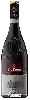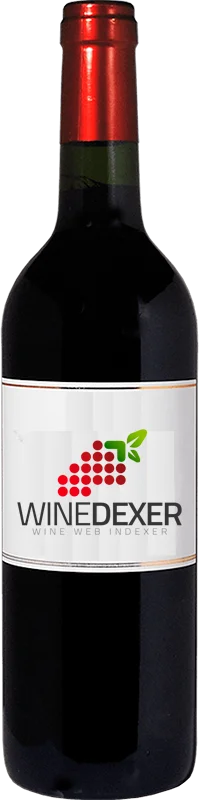
Winery BolzanSan Nicola Rosso
 wine
wine
This wine generally goes well with
The San Nicola Rosso of the Winery Bolzan is in the top 0 of wines of Rosso Veronese.
Details and technical informations about Winery Bolzan's San Nicola Rosso.
Discover the grape variety: Bondola noire
An ancient grape variety cultivated in Italy, where it originated and is almost no longer multiplied, unknown in France as in most other wine-producing countries. It should not be confused with Bondoletta, a cross between Bondola Noire and Completer, and with the red prié called Bonda in Valle d'Aosta - Italy - (José F. Vouillamoz and Giulio Moriondo), which has almost disappeared from the vineyards today, and which is not related to Bondola Noire. Note that the white Bondola - very rare - is not the white form.
Informations about the Winery Bolzan
The Winery Bolzan is one of of the world's greatest estates. It offers 3 wines for sale in the of Rosso Veronese to come and discover on site or to buy online.

The wine region of Rosso Veronese
The wine region of Rosso Veronese is located in the region of Verona of Vénétie of Italy. Wineries and vineyards like the Domaine Bussola or the Domaine Fratelli Vogadori produce mainly wines red, white and sweet. The most planted grape varieties in the region of Rosso Veronese are Corvina, Rondinella and Cabernet-Sauvignon, they are then used in wines in blends or as a single variety. On the nose of Rosso Veronese often reveals types of flavors of cherry, orange or vegetal and sometimes also flavors of microbio, banana or mango.
The wine region of Veneto
Veneto is an important and growing wine region in northeastern Italy. Veneto is administratively Part of the Triveneto area, aLong with its smaller neighbors, Trentino-Alto Adige and Friuli-Venezia Giulia. In terms of geography, culture and wine styles, it represents a transition from the Alpine and Germanic-Slavic end of Italy to the warmer, drier, more Roman lands to the South. Veneto is slightly smaller than the other major Italian wine regions - Piedmont, Tuscany, Lombardy, Puglia and Sicily - but it produces more wine than any of them.
The word of the wine: Maceration
Prolonged contact and exchange between the juice and the grape solids, especially the skin. Not to be confused with the time of fermentation, which follows maceration. The juice becomes loaded with colouring matter and tannins, and acquires aromas. For a rosé, the maceration is short so that the colour does not "rise" too much. For white wines too, a "pellicular maceration" can be practised, which allows the wine to acquire more fat.