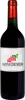
Château BolchetVin De Pays Du Gard
 wine
wine
This wine generally goes well with
The Vin De Pays Du Gard of the Château Bolchet is in the top 0 of wines of Languedoc.

Details and technical informations about Château Bolchet's Vin De Pays Du Gard.
Discover the grape variety: Merlot noir
Supple, rounded reds with a deep ruby robe, velvety tannins and a generous palate, with signature aromas of ripe cherry, plum and blackberry, soft spices, cocoa and toasty oak notes. Age-worthy. Emblematic pillar of Pomerol and Saint-Émilion, most planted red variety in France. Official synonym of Merlot, natural cross Cabernet Franc × Magdeleine Noire des Charentes.
Informations about the Château Bolchet
The Château Bolchet is one of of the world's greatest estates. It offers 6 wines for sale in the of Languedoc to come and discover on site or to buy online.

The wine region of Languedoc
Sunny, generous southern reds: spicy, peppery Syrah, round, candied Grenache (ripe fruit, garrigue), deep Mourvèdre, structured Carignan, supple Cinsault. From robust Corbières and Minervois to fresher Terrasses du Larzac, via Faugères on schist or taut Pic Saint-Loup. Lively, iodised Picpoul de Pinet whites (oysters), ample Roussanne and Marsanne. 14 sub-appellations, ~10,000 ha in regional AOC.
The wine region of Languedoc-Roussillon
Largest single French vineyard, dominated by sunny, generous reds. Spicy Syrah, candied Grenache (ripe fruit, garrigue), structured Carignan, deep Mourvèdre, supple Cinsault. Stars: structured Corbières, Minervois, Faugères, Saint-Chinian; round Côtes-du-Roussillon. Legendary vins doux naturels: Banyuls and Maury (fortified Grenache) with notes of cocoa, fig, prune.
The word of the wine: Grand cru classé
In the Bordeaux region, this refers to certain châteaux in the Médoc and also in Saint-Émilion which are classified.