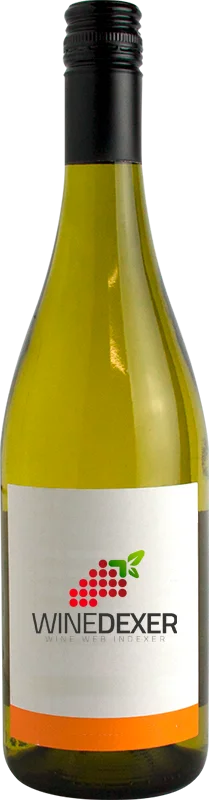
Bodegas Ginard BallesterLos Abrojos Pedro Ximenez
 White wine


This wine generally goes well with

Details and technical informations about Bodegas Ginard Ballester's Los Abrojos Pedro Ximenez.
Discover the grape variety: Impératriz
A table grape with long bunches and golden berries with thin skin and juicy flesh, delivering a pleasant sweet flavour. Early-ripening. Very rarely vinified. Now rare, surviving in a few amateur gardens and ampelographic collections. A witness to French table-grape heritage, it is among the ancient varieties preserved for their patrimonial interest. A French white table grape, once cultivated for fresh consumption.
Last vintages of this wine

The best vintages of Los Abrojos Pedro Ximenez from Bodegas Ginard Ballester are 2017, 2018, 0
Informations about the Bodegas Ginard Ballester
The Bodegas Ginard Ballester is one of of the world's great estates. It offers 13 wines for sale in the of Uco Valley to come and discover on site or to buy online.

The wine region of Uco Valley
Cathedral of high-end Argentine Malbec on altitude vineyards (900-1700 m). Intense, deep reds with signature notes of blackberry, black plum, violet, cocoa and sweet spices, velvety tannins and freshness drawn taut by Andean nights. Also fine, peppery Cabernet Franc, firm Cabernet Sauvignon, mineral Chardonnay, ample Sémillon. At the foot of the snowy Andes (Mendoza), alluvial soils irrigated by glacial waters.
The wine region of Mendoza
World capital of Malbec: powerful, deep reds with blackberry, plum, violet and sweet spice, round tannins and vivid fruit. Also firm Cabernet Sauvignon, supple, juicy Bonarda, aromatic floral white Torrontés. High-altitude vineyards (800-1,700 m) at the foot of the Andes, dry continental climate irrigated by glacial waters. ~80% of Argentine output across 150,000 ha.
The word of the wine: Vinification of sweet wines
Moelleux and liquoreux wines are characterized by the presence of residual sugars (natural sugar of the grape), not transformed into alcohol under the effect of yeasts. The fermentation is stopped by cold and by the addition of sulphur dioxide (sulphur).