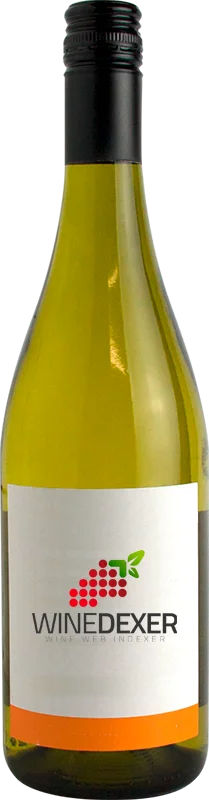
Winery BeringerClassic White
 White wine



In the mouth this white wine is a powerful.
This wine generally goes well with pork, poultry or shellfish.

Taste structure of the Classic White from the Winery Beringer
Light | Bold | |
Dry | Sweet | |
Soft | Acidic |
In the mouth the Classic White of Winery Beringer in the region of California is a powerful.
Food and wine pairings with Classic White
Pairings that work perfectly with Classic White



Original food and wine pairings with Classic White

The Classic White of Winery Beringer matches generally quite well with dishes of pasta, pork or shellfish such as recipes of pasta with neapolitan sauce and mushrooms, pizza cone or pasta with mussels.
Details and technical informations about Winery Beringer's Classic White.
Discover the grape variety: Frühburgunder
Fine, silky, elegant reds with a clear ruby colour, supple tannins and an airy palate, with signature aromas of red fruits (cherry, raspberry), woodland and fine spices. Ripens earlier than classic Spätburgunder. Grown mainly in Franconia, Württemberg and the Ahr, it produces quality German wines (QbA or Prädikatswein). A German black variety, an early-ripening mutation of Pinot Noir, related to French Pinot Noir Précoce.
Last vintages of this wine
The best vintages of Classic White from Winery Beringer are 2011, 0, 2012, 2013
Informations about the Winery Beringer
The Winery Beringer is one of wineries to follow in Californie.. It offers 31 wines for sale in the of California to come and discover on site or to buy online.

The wine region of California
Powerful, sunny reds: dense Napa Cabernet Sauvignon (blackcurrant, chocolate, tobacco, ample tannins), spicy, jammy Zinfandel from the Sierra Foothills, silky red-fruited Pinot Noir on the cool coast (Sonoma, Russian River, Central Coast). Opulent, buttery Chardonnay, notes of yellow fruit and vanilla. Varied climate, from the hot interior to the Pacific-cooled coast. 80% of US production, 139 AVAs including Napa (1st AVA, 1981).
The word of the wine: Grafting
A method used since the phylloxera crisis, consisting of fixing a graft of local origin on a rootstock resistant to phylloxera.